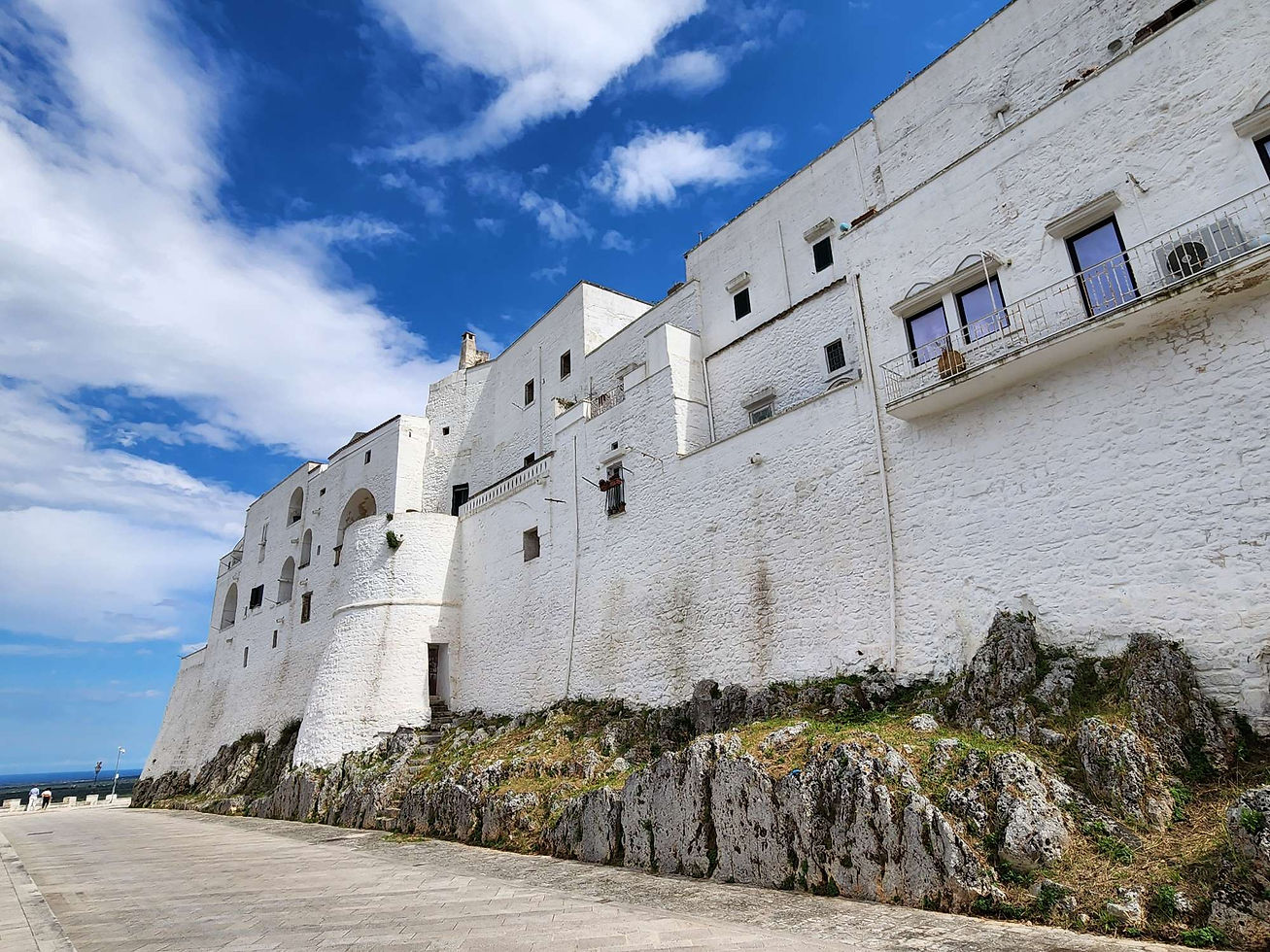
Day 11: Off for a Day Trip to the "Whitewashed " city Ostuni

Trading the bustling, historic streets of Lecce for the serene, sun-drenched "White City" of Ostuni is a highlight of any Puglia itinerary, and getting there is a breeze. A quick and comfortable 45-minute train ride transports you through the scenic countryside. Once you arrive, a convenient shuttle bus (often a local city bus) waits just outside the station to bridge the 3-kilometer gap to the historic center. Don't forget to grab your tickets from the station coffee shop before hopping on, as you'll be strolling through the charming, winding streets of the old town in no time.
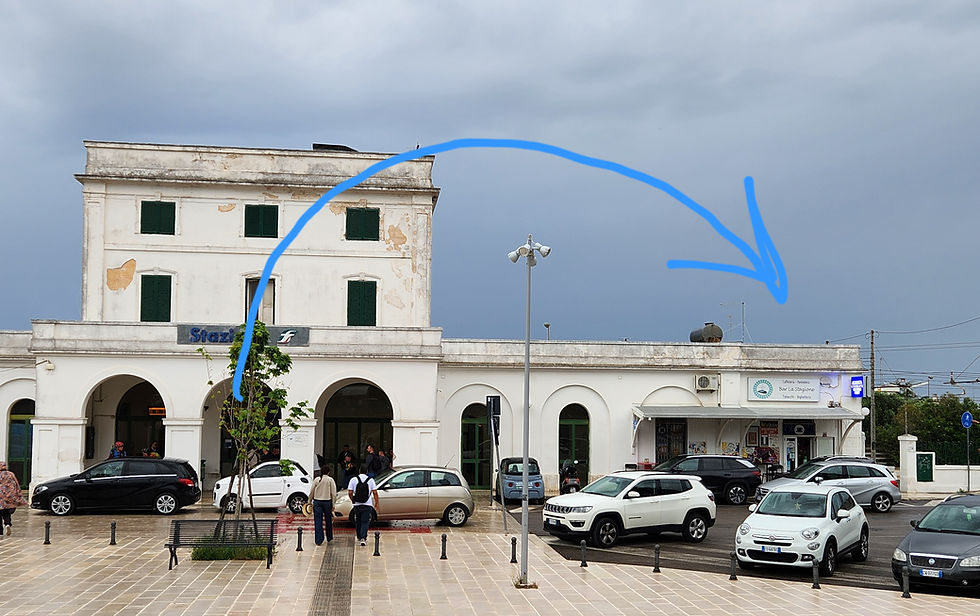

A short, ten-minute stroll from the bus stop brings you to the heart of the town, Piazza della Libertà (Freedom Square).

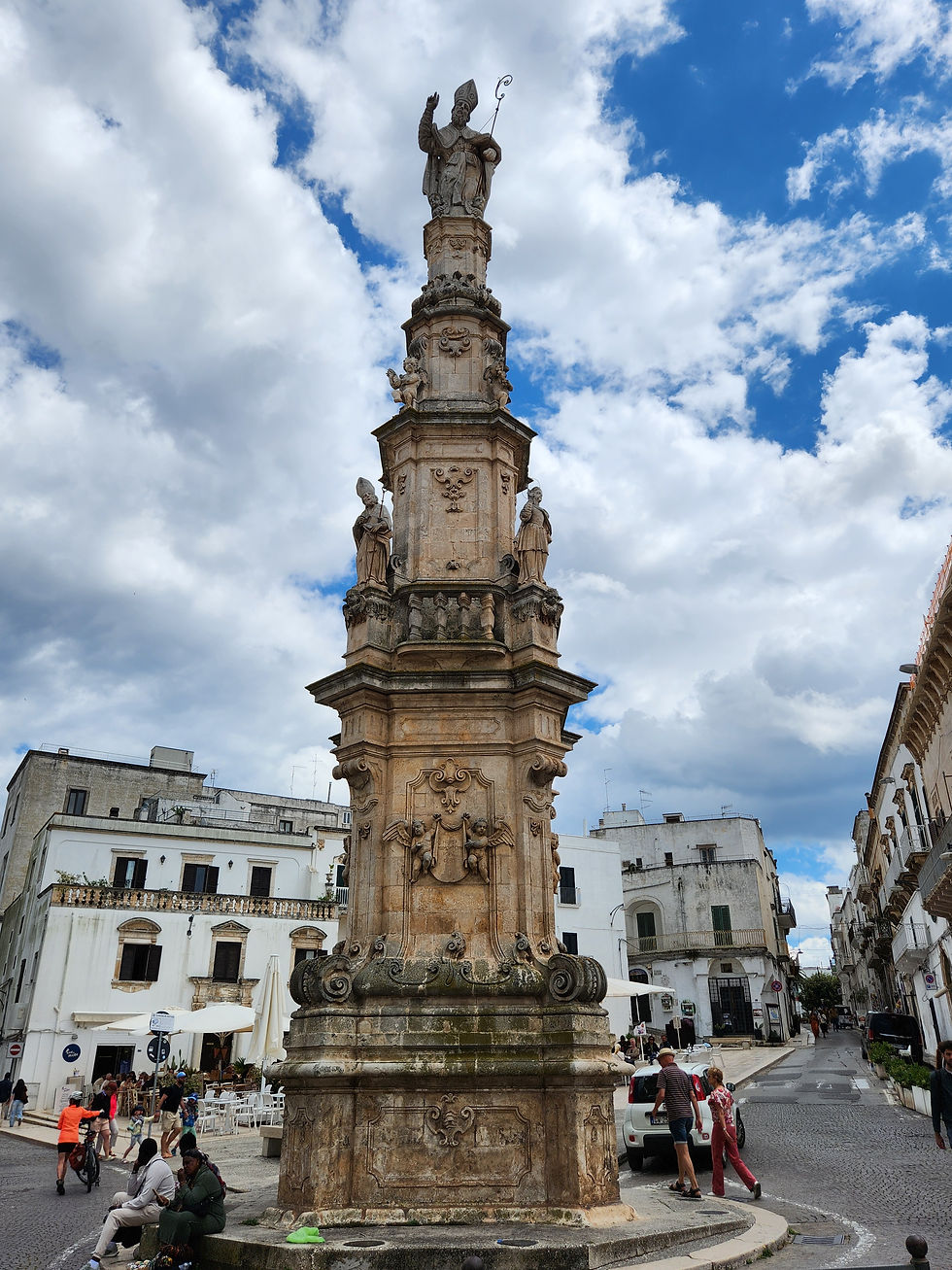
This vibrant hub is anchored by the Chiesa di San Francesco d’Assisi and the Palazzo del Municipio at one end, while the opposite side features an impressive 18th-century, 20-meter-tall column topped by a statue of Saint Oronzo, the town's patron saint. Surrounded by lively restaurants, the square bustles with activity—you might be surprised by the sheer number of tourists pouring into this lower palazzo, with guides leading their clusters, waving little flagged sticks in every direction.
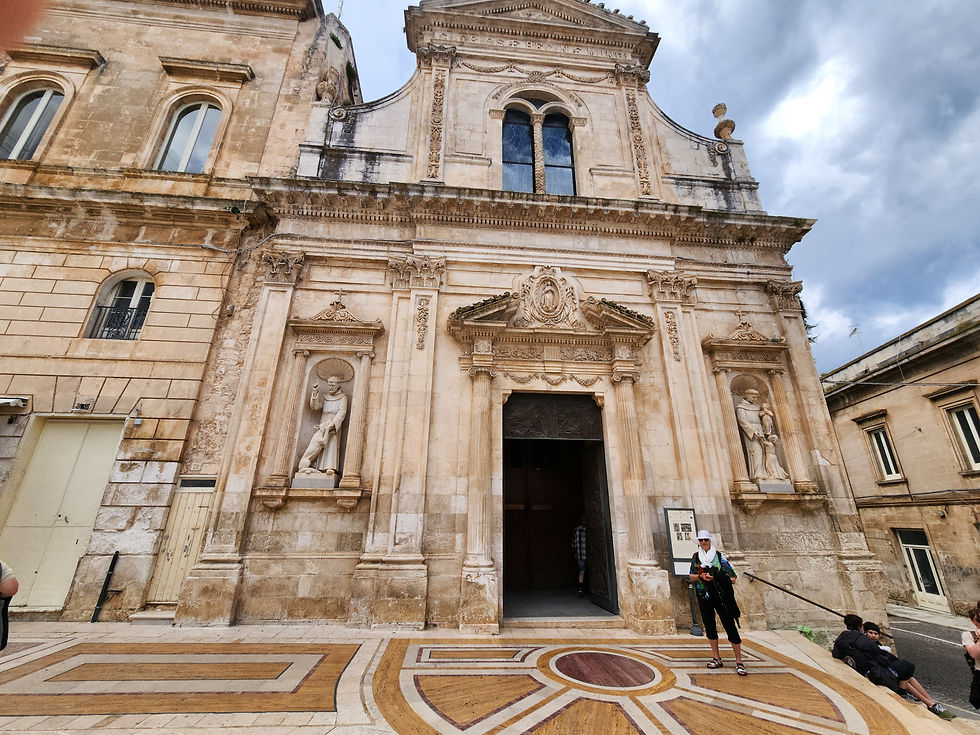

This historic palazzo is undeniably charming, though the surrounding shops and restaurants can be quite tourist-heavy and eager for your euros. To discover better prices and more authentic merchandise, we suggest venturing slightly off the beaten path. While exploring, be sure to prioritize the stunning Church of Saint Francis, the Column of Saint Oronzo, and the local tourist information center, which are well worth your time. The nearby Palazzodel Municipioy may also be worth a look, though it happened to be closed to the public on the day we visited.

Dating back to 1304, the historic Chiesa di San Francesco d'Assisi is a must-visit gem. Originally built in the Gothic style, the church underwent profound renovations in 1615, while its elegant façade was masterfully crafted by Gaetano Jurleo in 1883. Divided into two distinct sections, the façade features an atypical Romanesque window and is guarded by two Carrara marble statues of Saint Francis and Saint Anthony, sculpted by Francesco Bagnulo. Between these saints lies a remarkable bronze door designed by Egidio Giaroli. Inside, the space exudes reverence, boasting columns, pilasters, and cornices adorned with Corinthian capitals that support a striking, vaulted dome. The interior is further anchored by a beautiful marble main altar dating back to 1780.


Rising over twenty meters into the Puglian sky, the majestic Colonna di Sant’Oronzo (Column of Saint Oronzo) is a stunning Baroque masterpiece. Crafted in 1771 by local Ostuni sculptor Giuseppe Greco, this intricate, four-tiered obelisk serves as a heartfelt tribute to the city's patron saint, who is revered for miraculously sparing Ostuni from the plague.
While exploring the "White City" you may encounter several other churches that are well worth a visit. The Chiesa di San Vito Martire was unfortunately closed on the day we visited but is reputed to have a Rococo-style stone altar crafted in 1763.
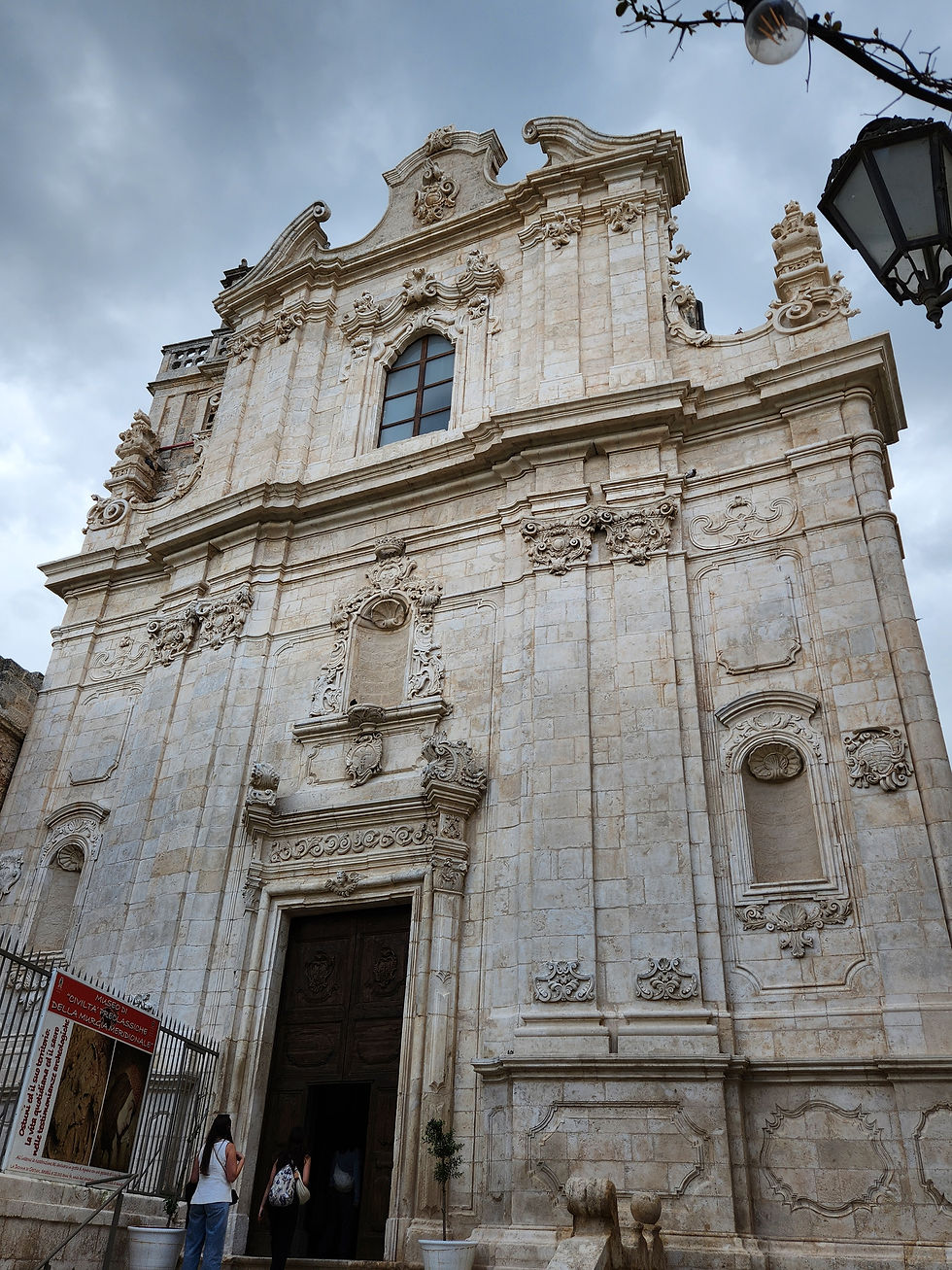
Additionally, the Duomo di Ostuni is undergoing significant restorations and will remain closed to the public for an extended period. However, you can check with the local Ostuni tourist information office about periodic noon guided tours, which cost just €3. We were lucky enough to sprint to the church right before the guide locked the doors. Our guide was excellent and incredibly knowledgeable about both the church and Ostuni's history. Just be forewarned: at least 80% of the interior is currently hidden by the restoration, and most of what you can see is behind reflective glass.
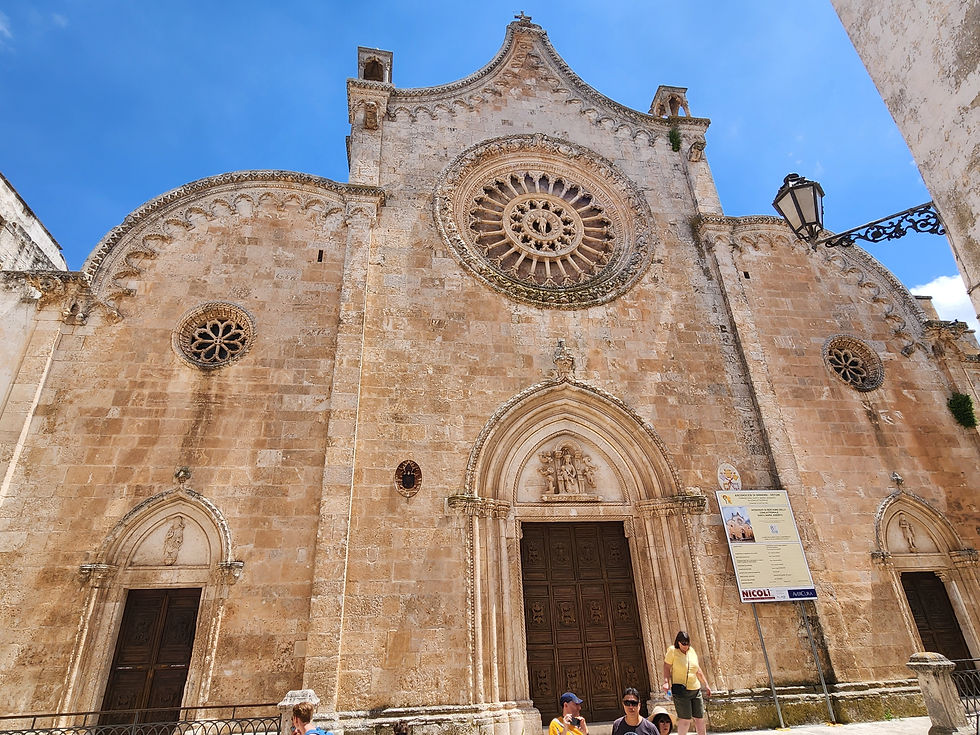


The church sits in the plazza Largo Trinchera which has become a real a hotspot for selfies, but the main draw isn't the Duomo itself. Instead, it's the spectacular Arco Scoppa opposite the church. Echoing Venice's Bridge of Sighs, this elegant, stone-and-gray-hued archway was rebuilt in 1750, seamlessly blending its unique tone into the iconic whitewashed square.


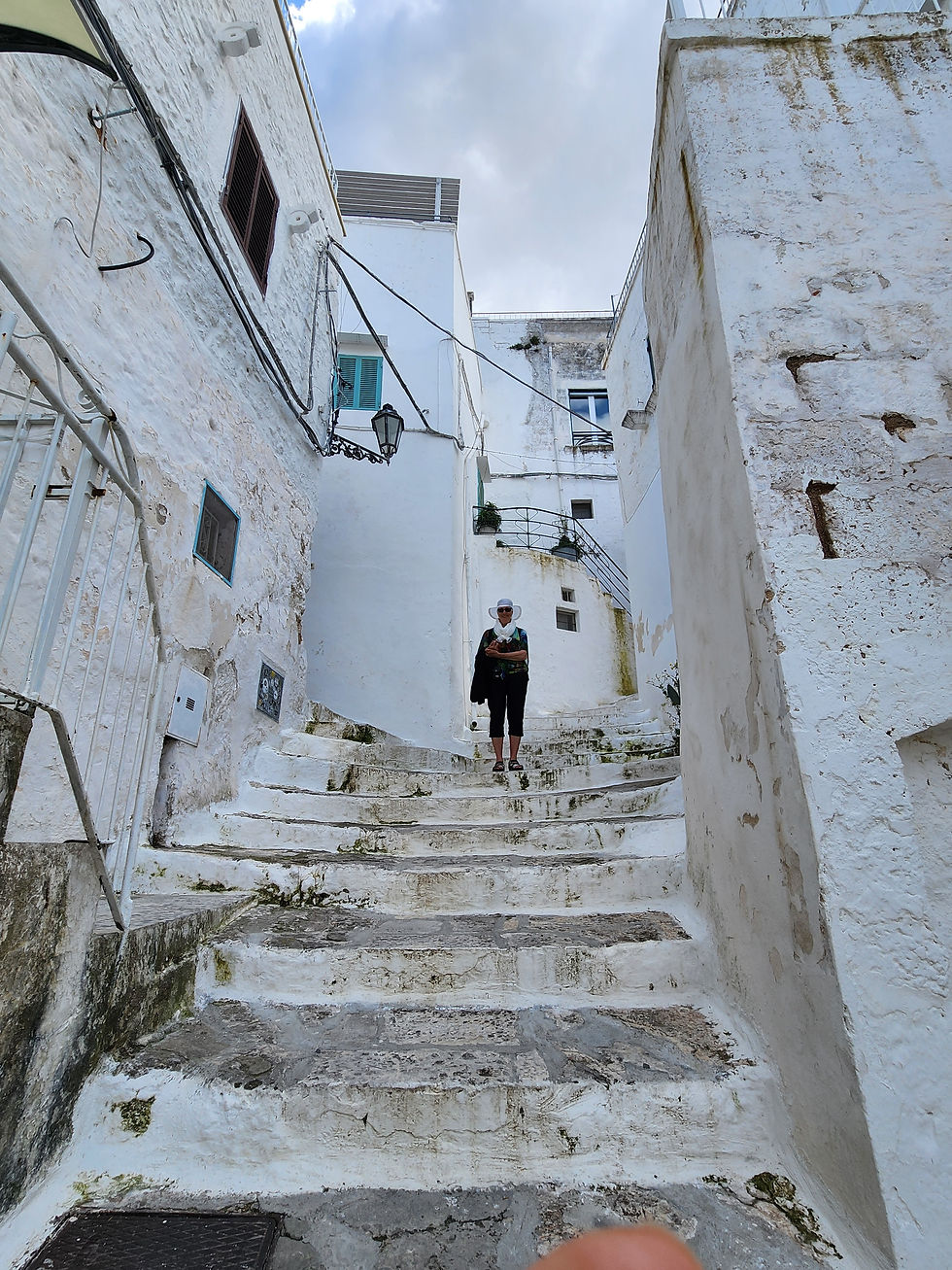
Beyond its famous historic landmarks, Ostuni’s true magic lies in simply wandering through its labyrinth of white-washed homes and tucked-away shops, all seamlessly connected by a maze of staircases and steep alleys.
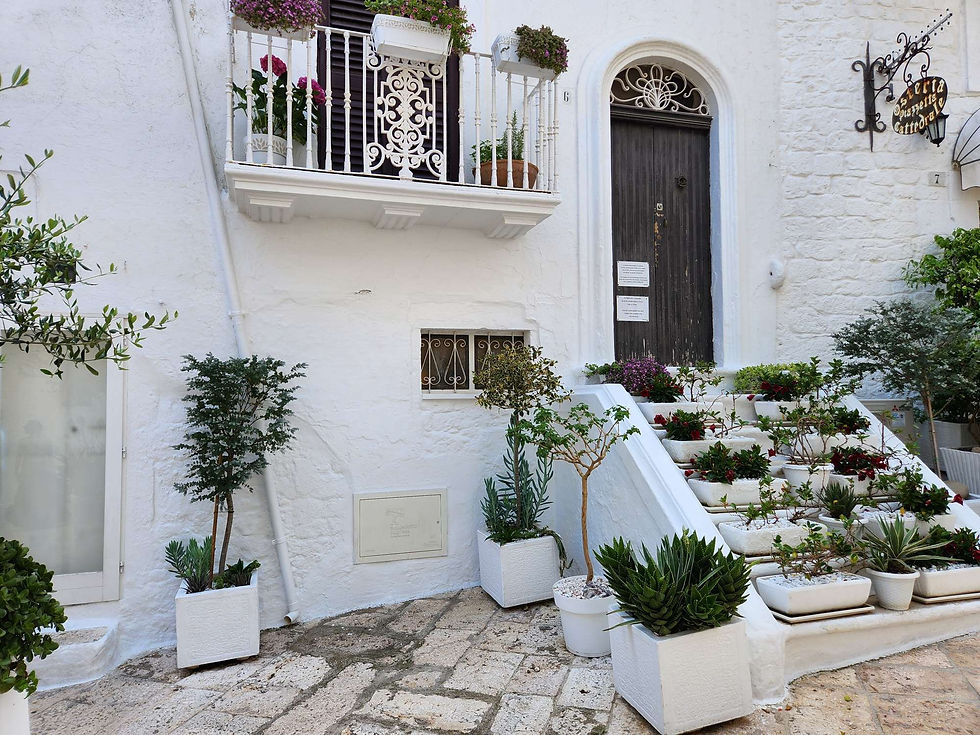

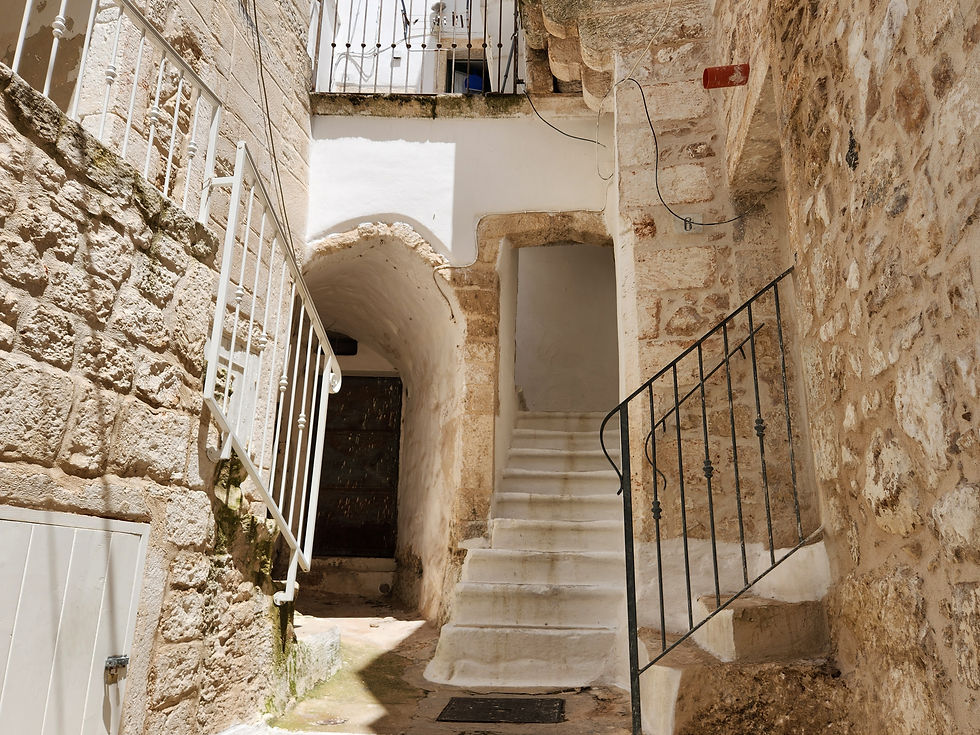

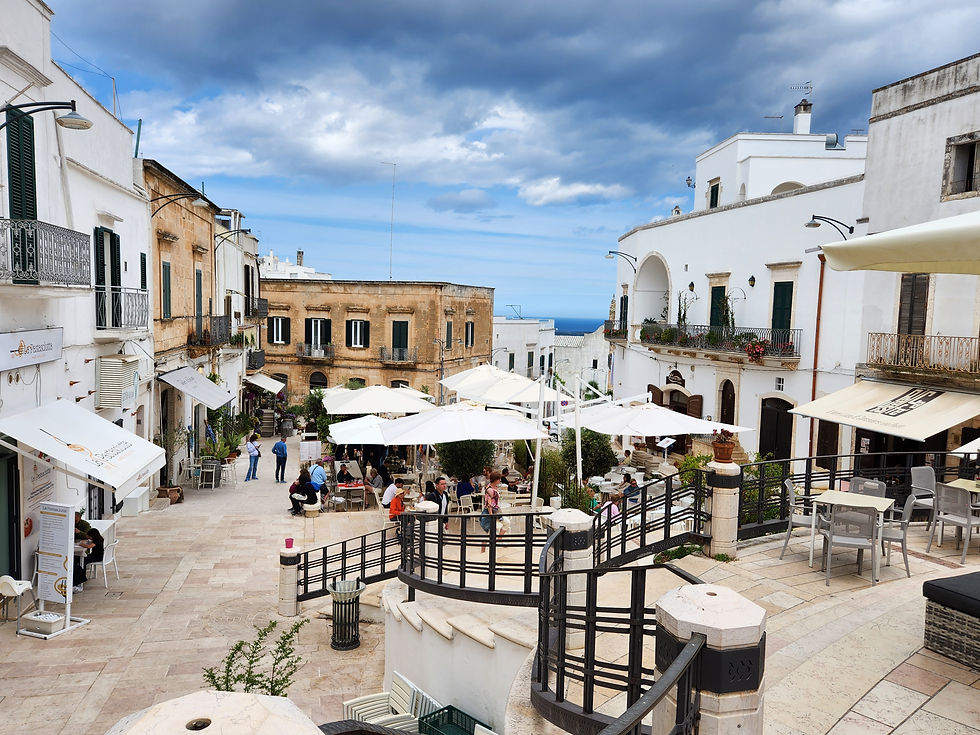
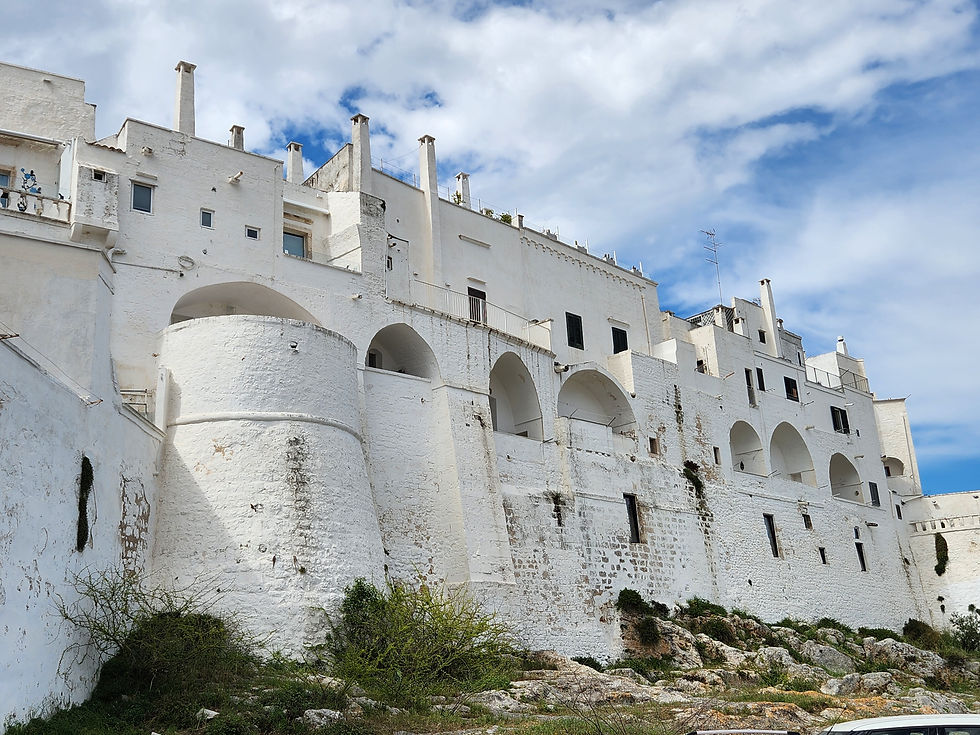


Lace up a sturdy pair of walking shoes and prepare for a rewarding cardio workout as you wind from one photogenic corner to the next, capturing postcard-perfect views at every turn. When your legs need a break, pull up a chair at a local café or restaurant to people-watch, or slow down your pace and enjoy a delicious gelato.
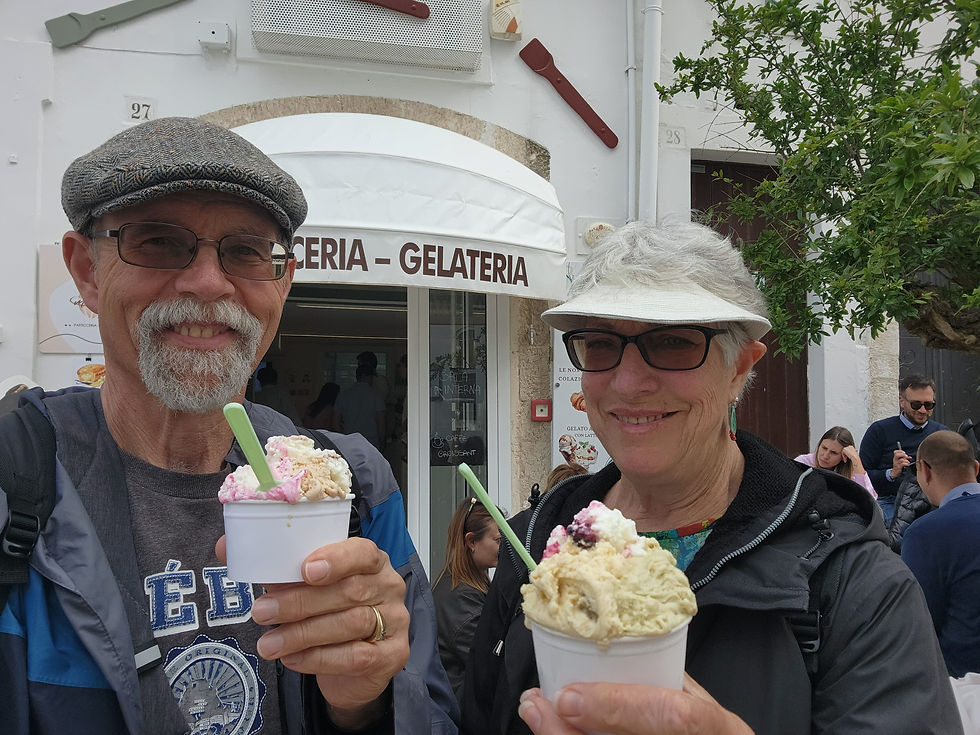
You will quickly fall in love with this glorious, sun-drenched city!


Comments