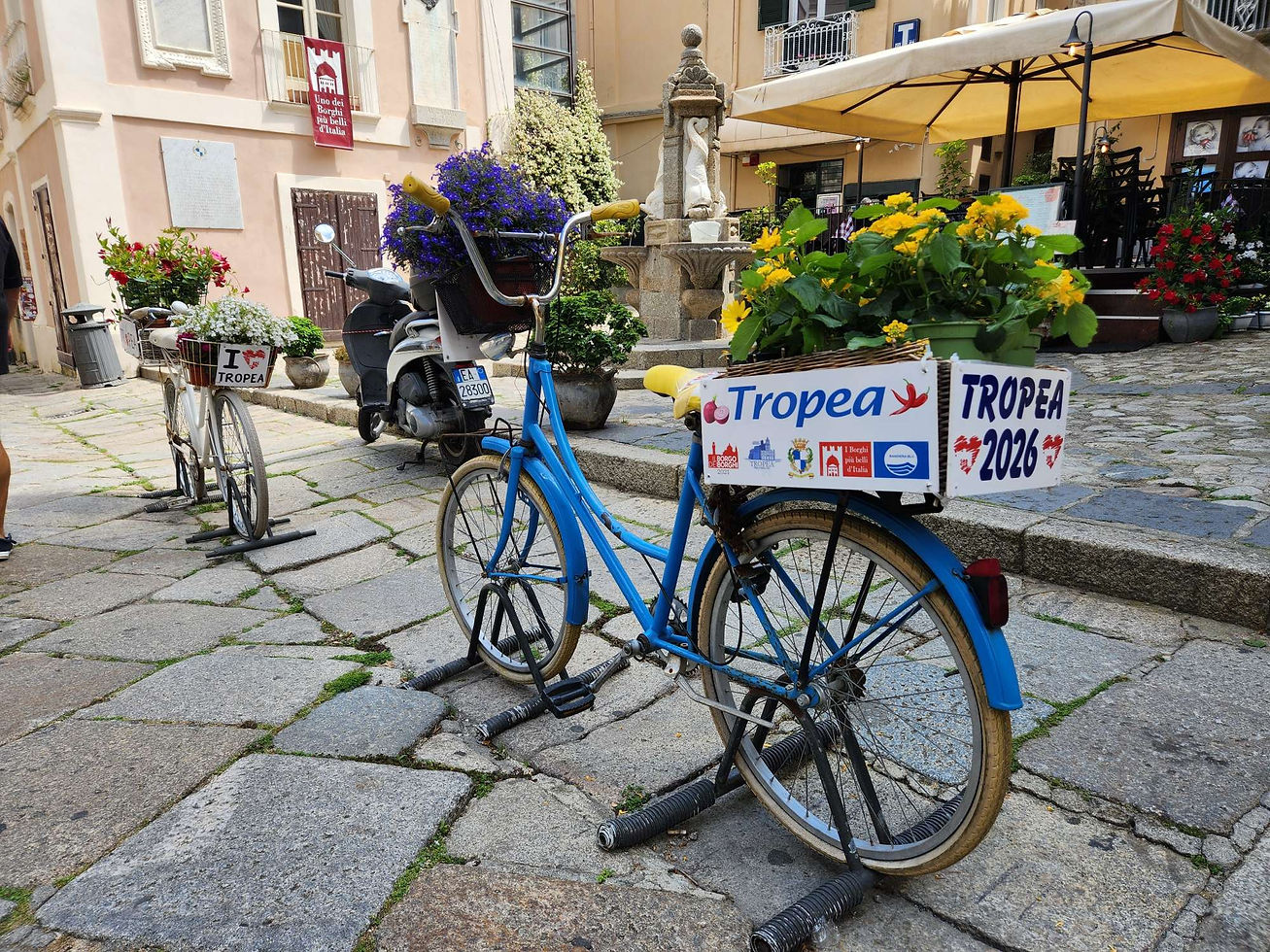
4 Days in Tropea: A Photography-Focused Southern Italy Itinerary (May Guide ) part 2

Updated: Jun 2
This blog is the second part of the 4-day itinerary.
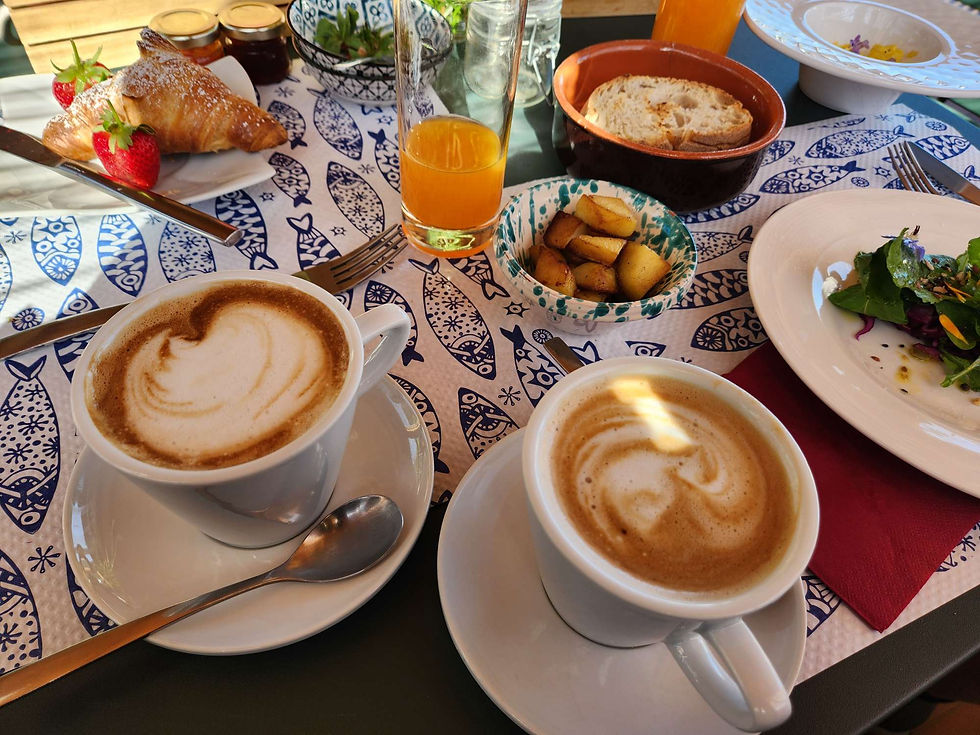
On our third day using Tropea as our home base, we set out to continue exploring this lively Calabrian village. We started our morning with both English and Italian breakfasts at our wonderful B&B (Hibiscus Uno Tropea on Booking.com) before stepping out into a perfectly sunny May day.
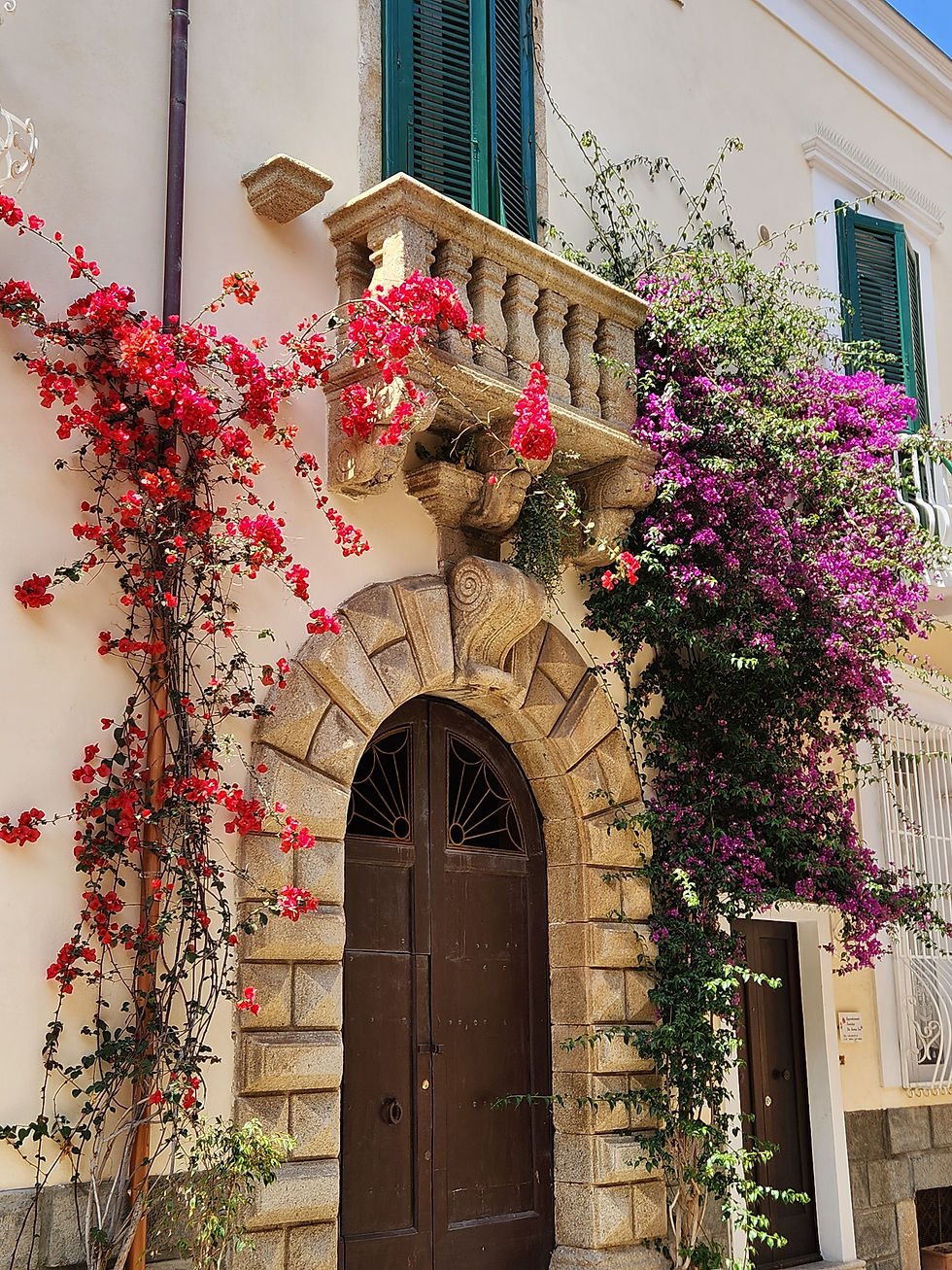
During our walk on the first day we were struck by the architecture of the town's ancient roots: Tropea is home to noble palaces dating back to the 14th century, with many surviving mansions rebuilt or renovated following the devastating 1783 earthquake.
Today we set out to wander through Tropea's labyrinth of cobblestoned lanes, uncovering and photographing the town's rich history along the way.
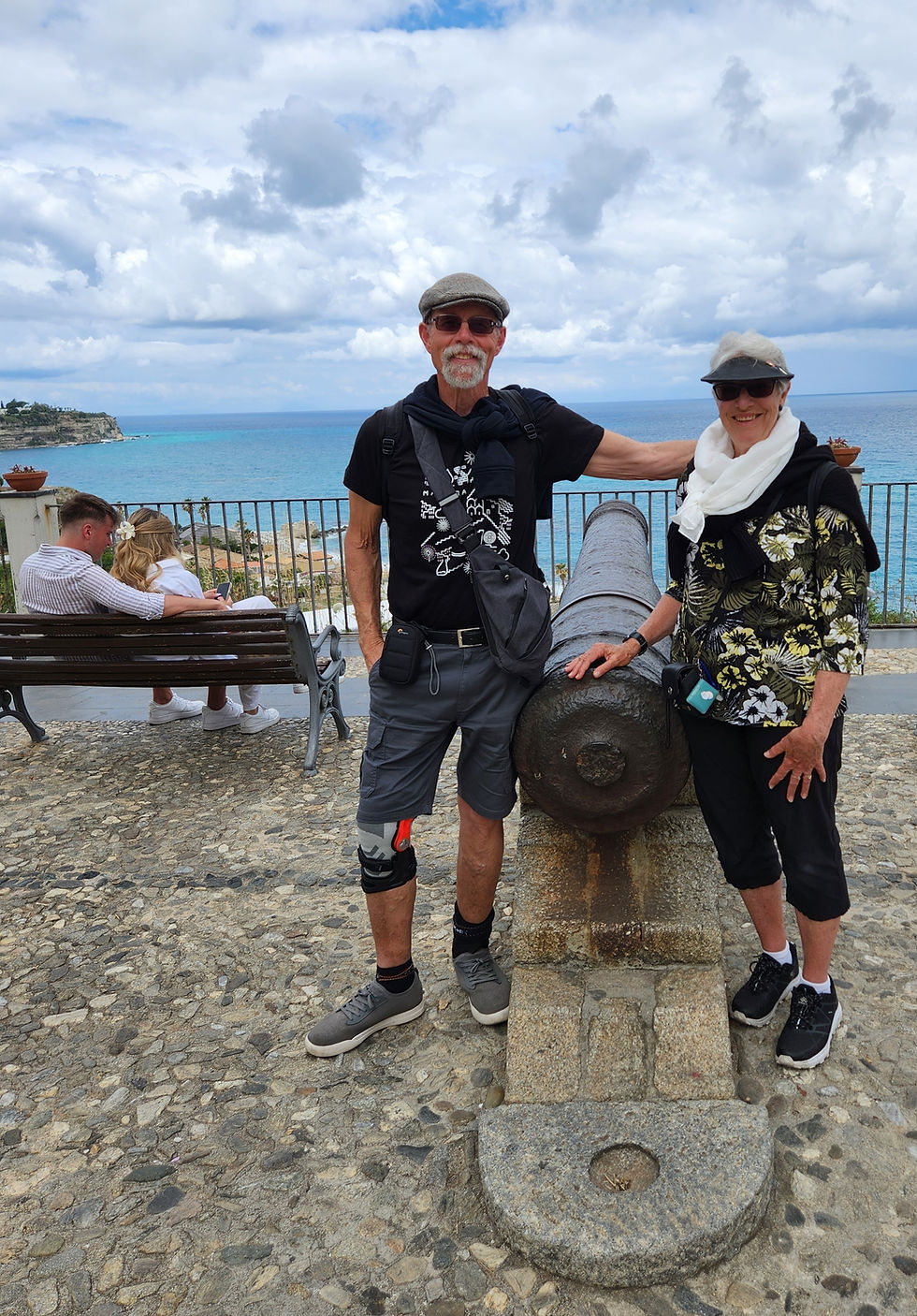
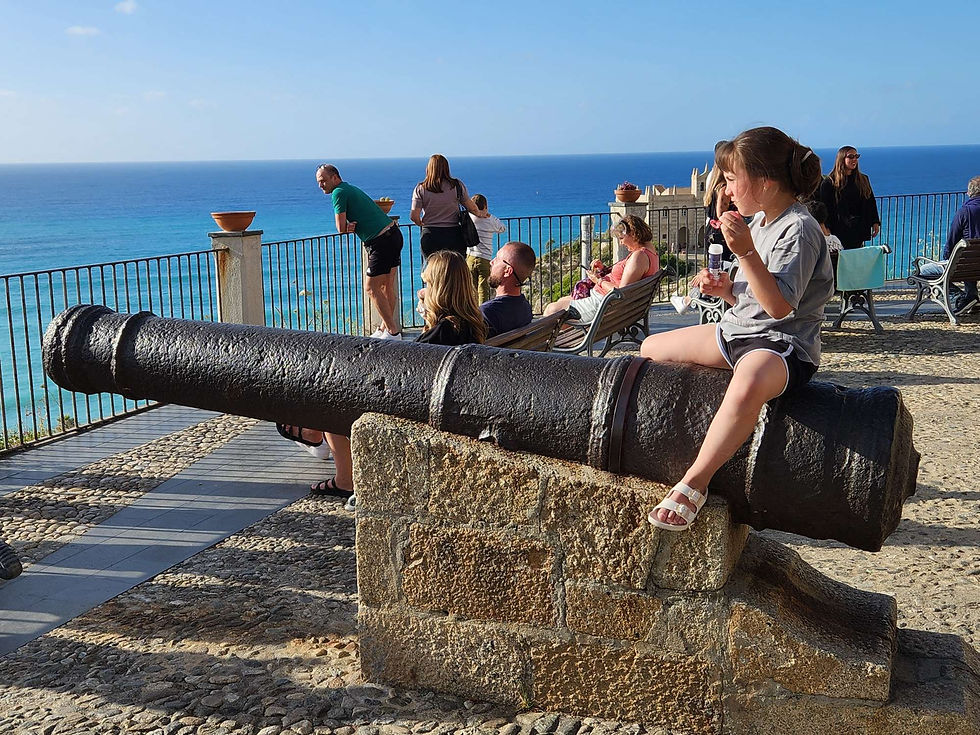
Our first stop was the most famous of Tropea's three historic cannons, a piece of artillery dating back to the 16th century. Recovered from the bay in 1938, these cannons were originally mounted to defend the coastline against raids by Saracen and Barbary pirates.
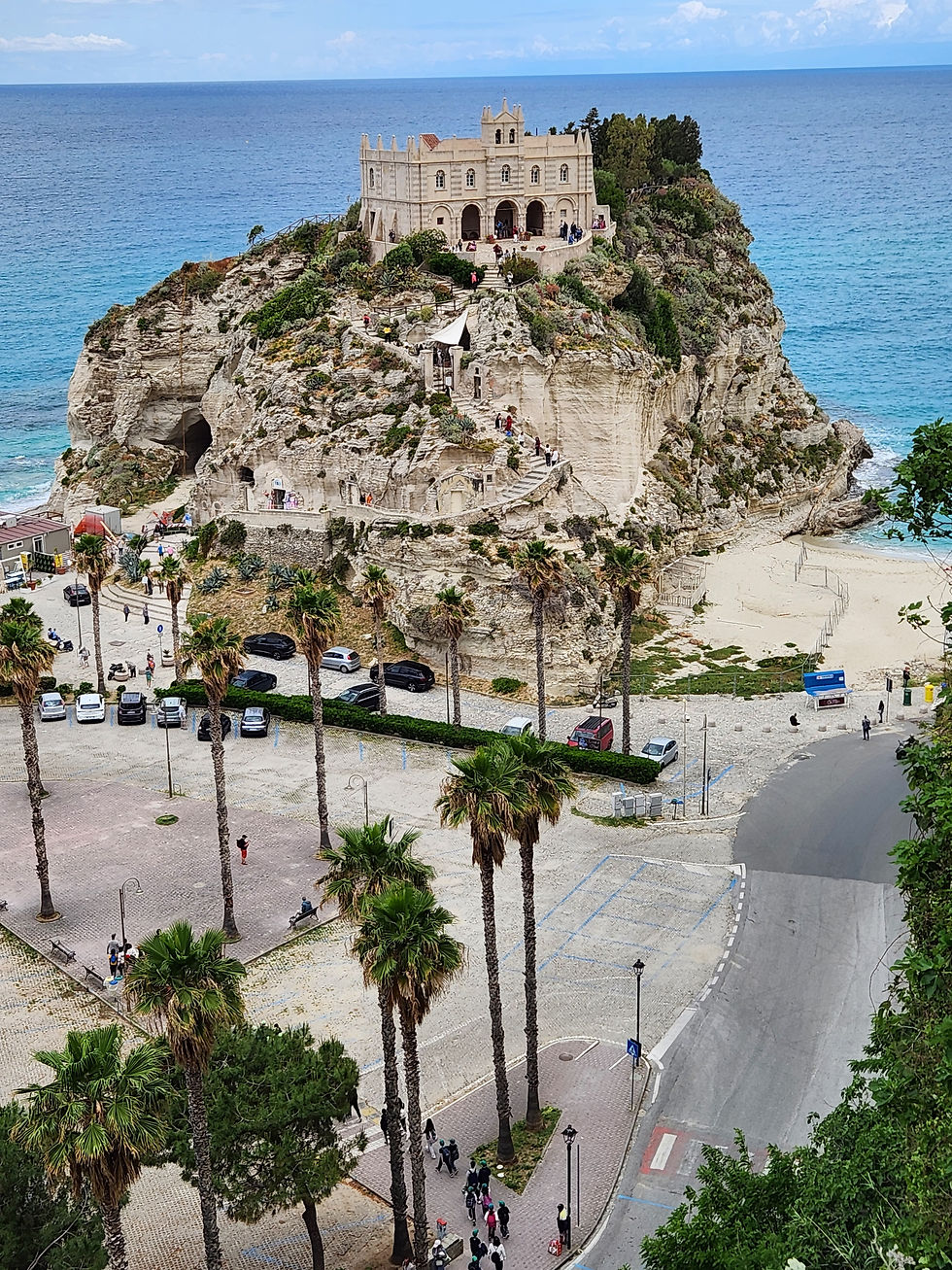
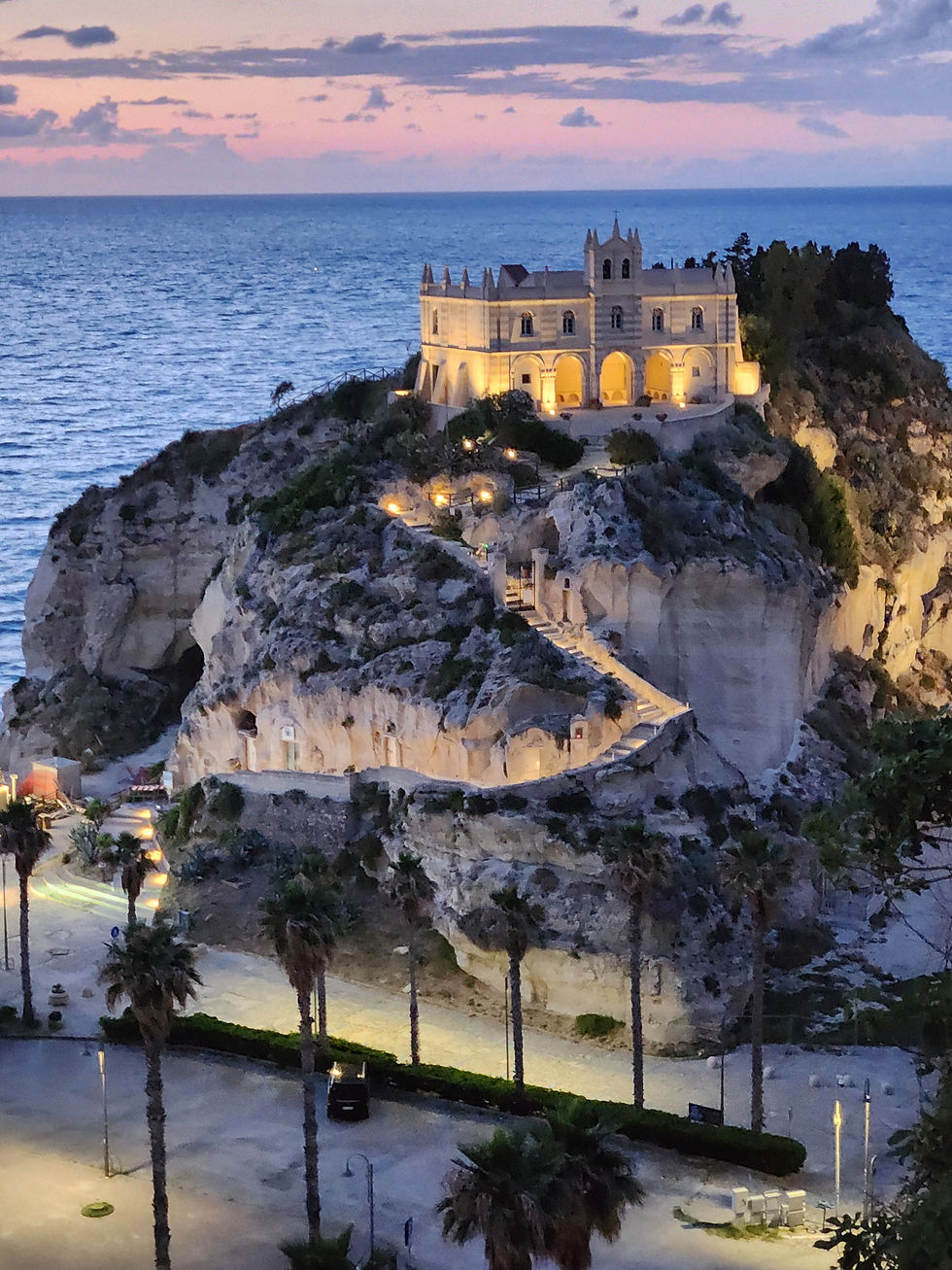
Today, this particular impressive cannon sits at the Piazza Cannone Viewpoint—the perfect vantage point to take in sweeping views of the sparkling Tyrrhenian Sea, the iconic Santa Maria dell'Isola sanctuary, and even the distant peak of Mount Stromboli.

Stepping into the twisting, centuries-old alleyways of Tropea, we quickly began photographing the ancient stone portals and lintels once belonging to Calabrian aristocrats.
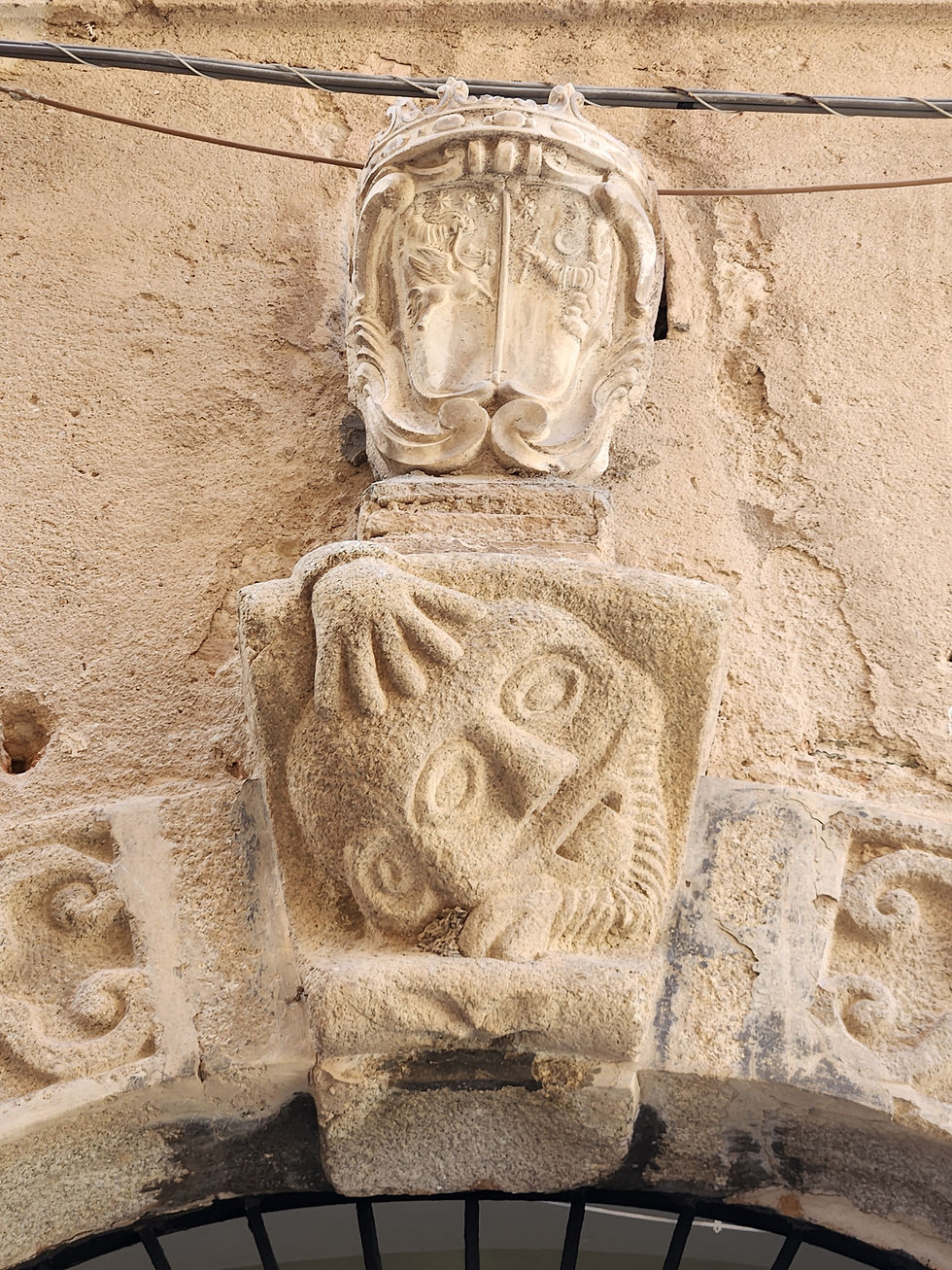
Our architectural tour unearthed fascinating carvings, spanning from apotropaic, monstrous figures meant to ward off evil demons
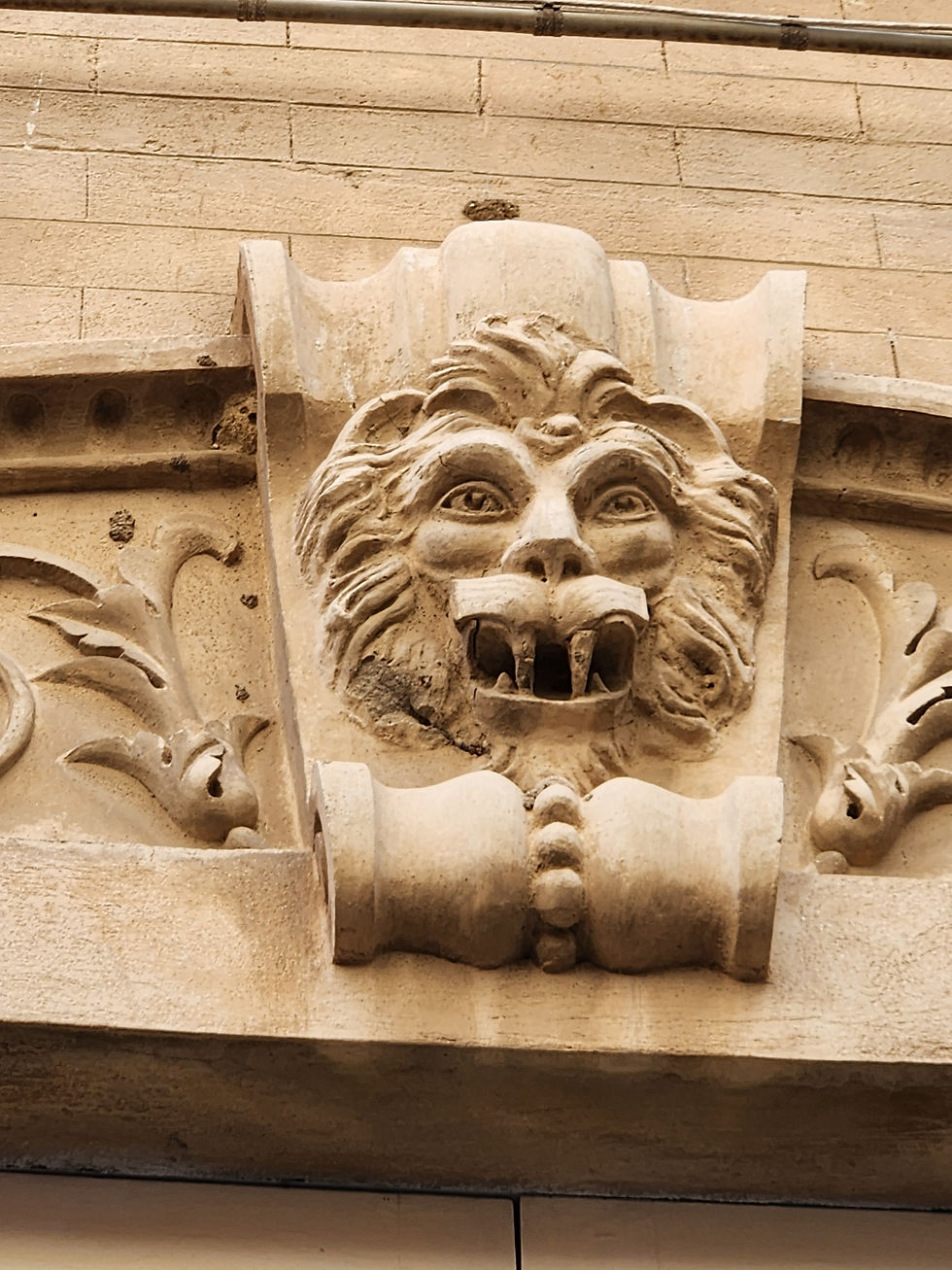
to mythological creatures
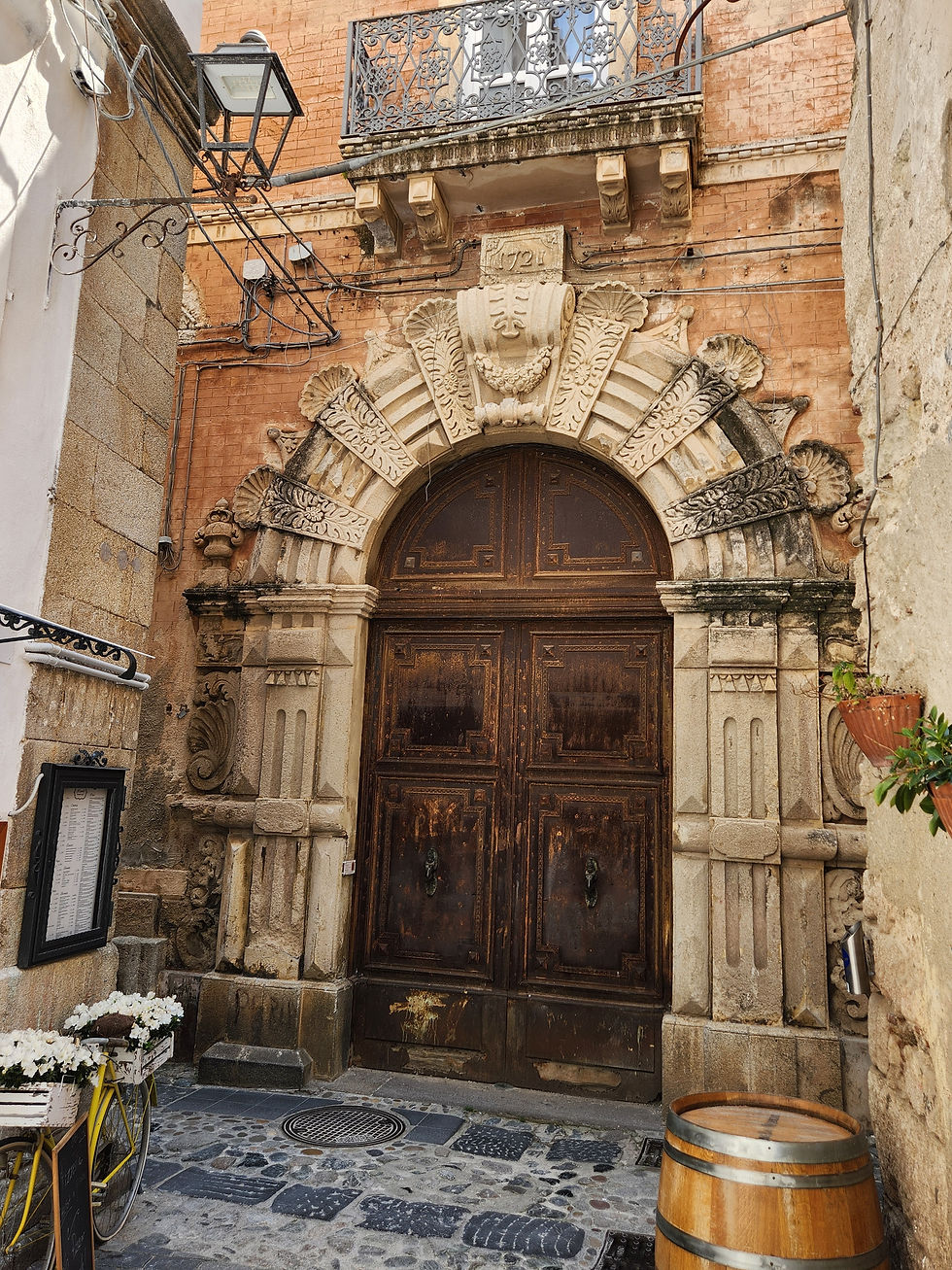
and geometric family crests.
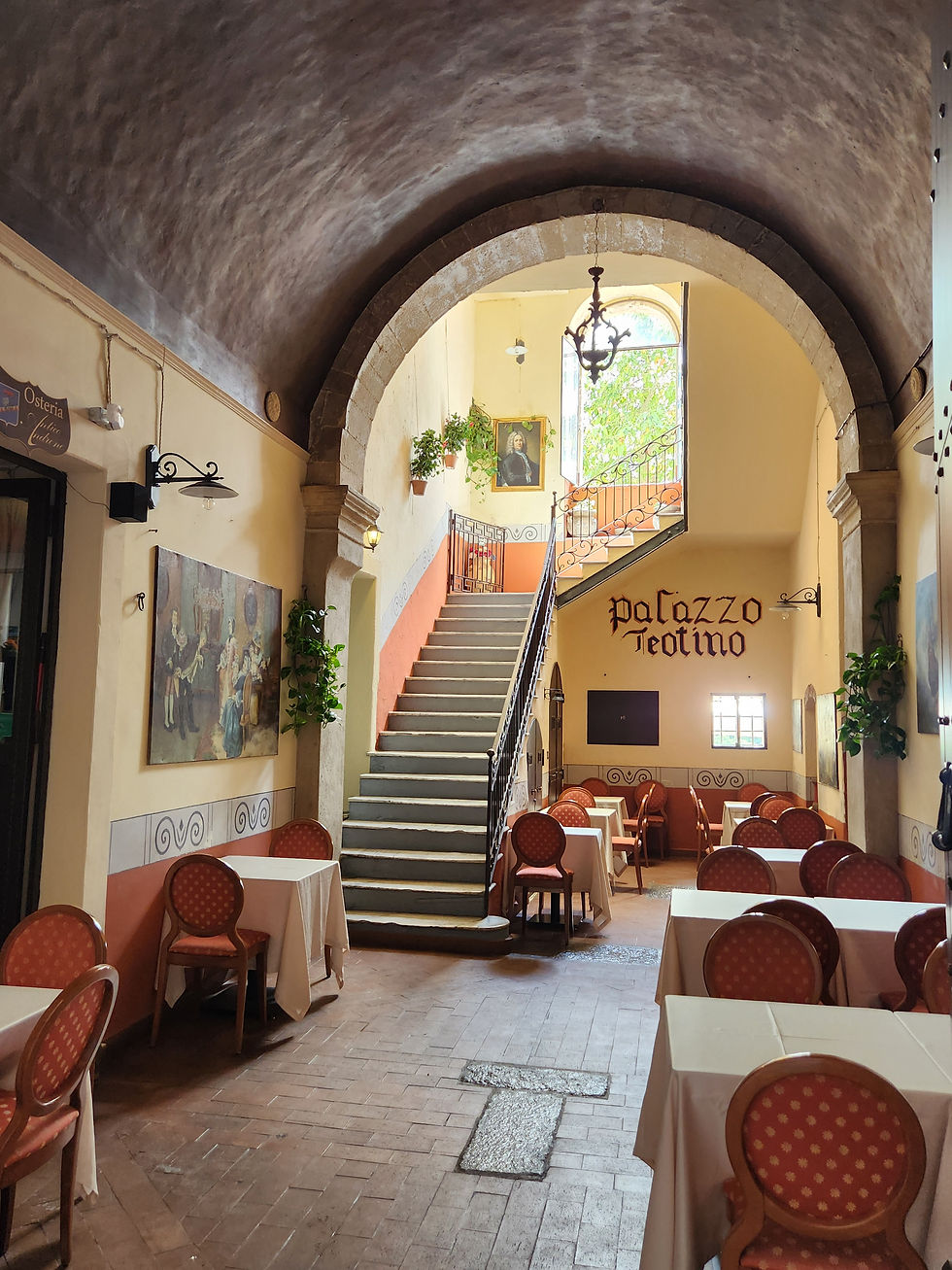
The profound history hidden within these walls is truly remarkable. Some of the oldest doorways we discovered were linked to the historic Palazzo Teotino (now an active restaurant and B&B), which dates back to 1632,

as well as the Convento della Pietà (no longer in use) established in 1639.

The preservation of these noble homes offers a fascinating glimpse into a bygone era of Southern Italy.

The origins of Tropea are famously steeped in mythology. Legend holds that the Greek hero Hercules discovered the site, while in reality, the earliest historical records confirm that Rome established a coastal settlement here. The town's name is most likely derived from the Latin tropaeum (meaning a war trophy) or tropis (referring to a ship's keel).
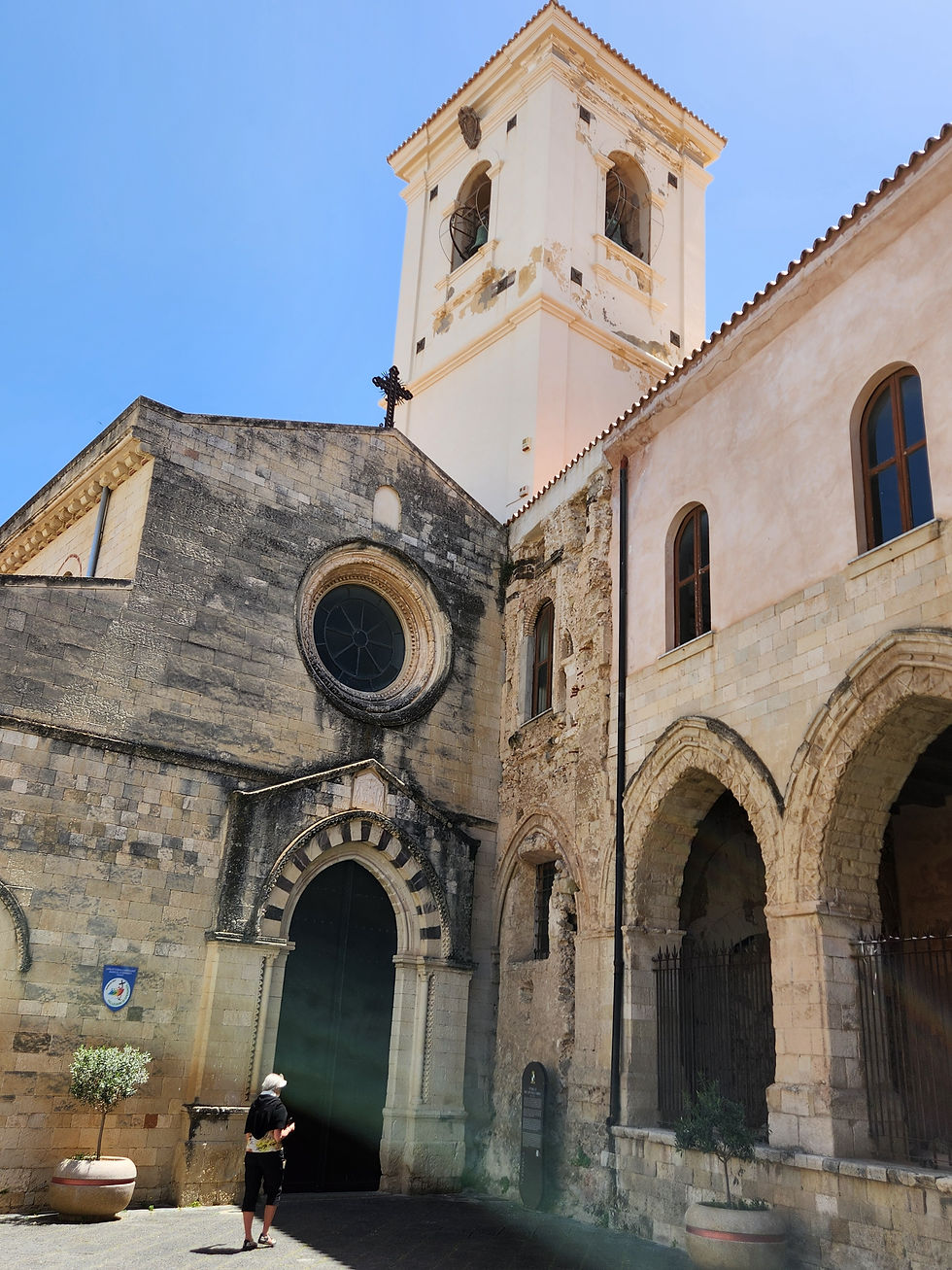
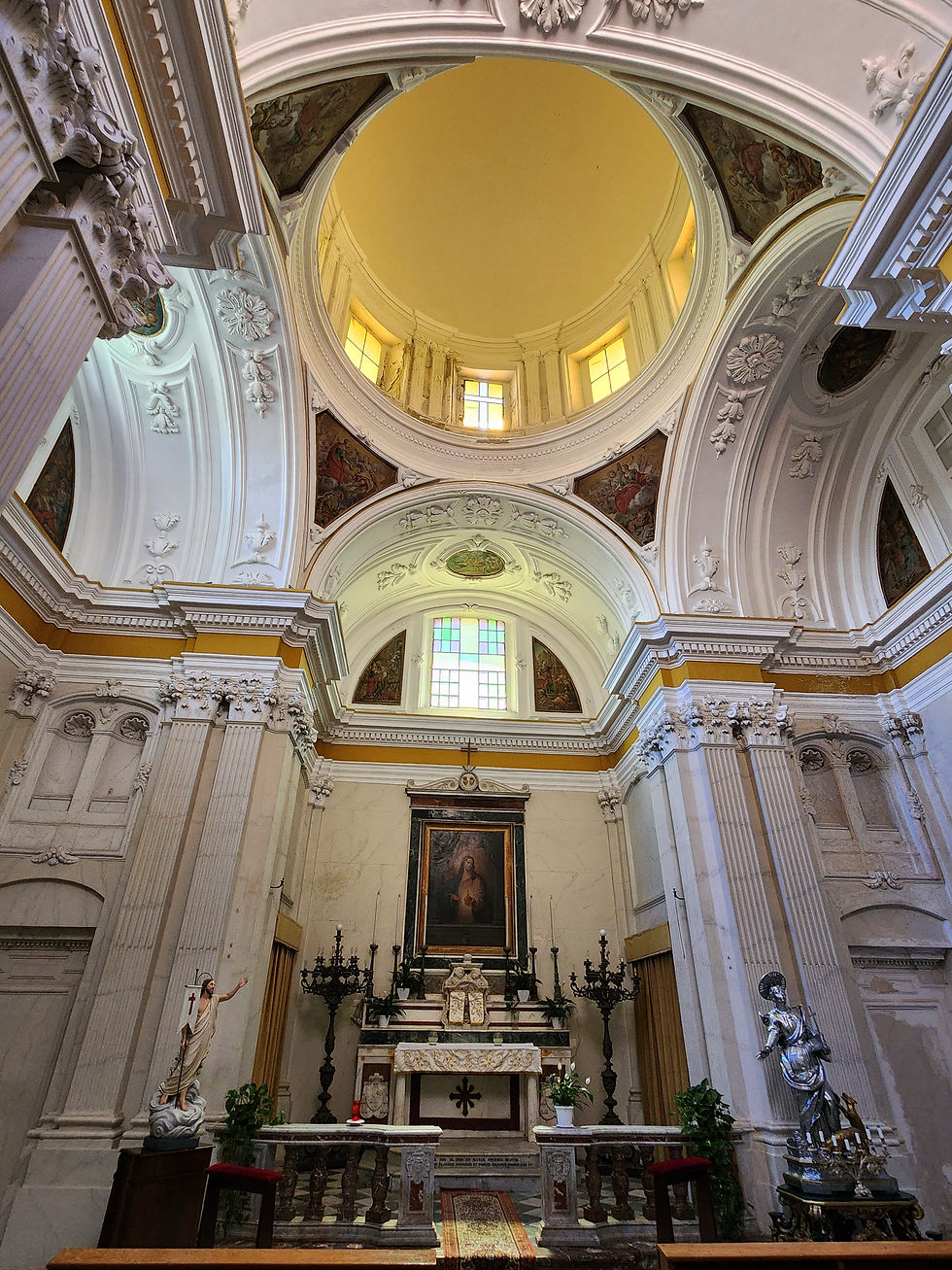
During the Byzantine era, Tropea was fortified with great defensive walls that successfully survived through the Medieval and Renaissance periods. In the 12th century, the Normans constructed the striking Cathedral of Maria Santissima di Romania, thoughtfully incorporating parts of the ancient walls into its foundation.
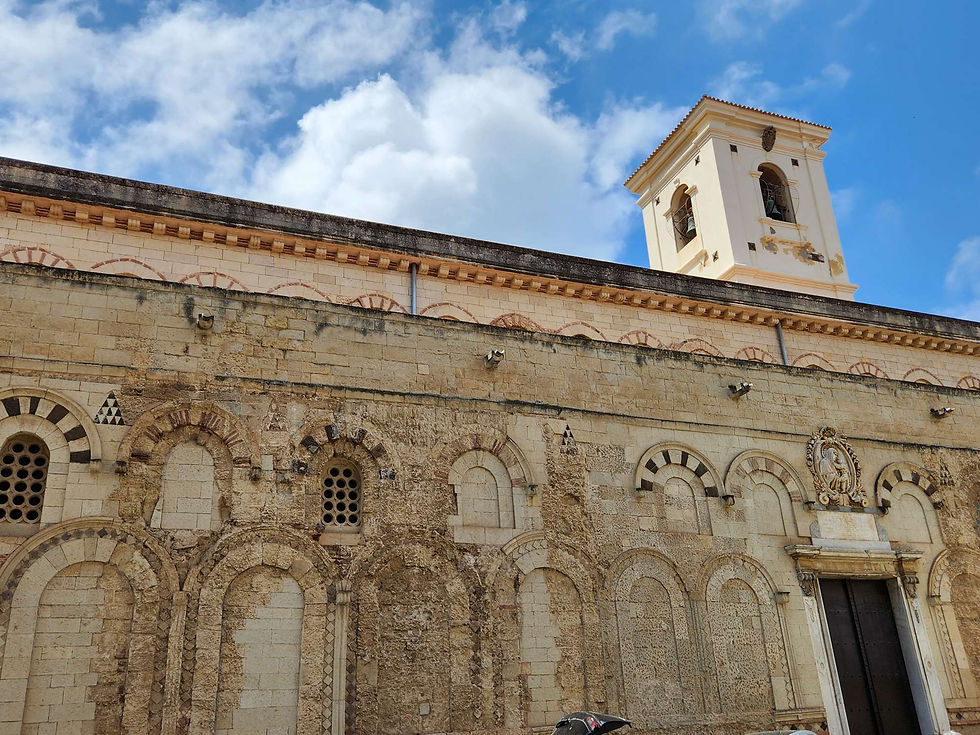
Today, little evidence remains of these once-formidable defensive structures. The gradual decline of the town's military architecture culminated between 1825 and 1876, when the medieval castle was systematically dismantled—its final destruction literally accomplished with explosives.
And speaking of explosions, on August 5, 1943, Allied air raids accidentally struck Tropea, but the town attributes its survival to a divine miracle. When locals and visitors enter the historic Norman Cathedral (Concattedrale di Maria Santissima di Romania), they are astonished to find two of the American bombs permanently on display near the church's entrance. Locals believe that most of the heavy payload failed to detonate due to the divine intervention of the town's patron saint, the Madonna di Romania.

The town's faith centers around a 13th-century Byzantine icon housed inside the cathedral, which is credited with sparing the city from destruction.
Today, you can visit this spectacular structure to view the unexploded ordnance, serving as a fascinating reminder of the town's miraculous history during World War II.
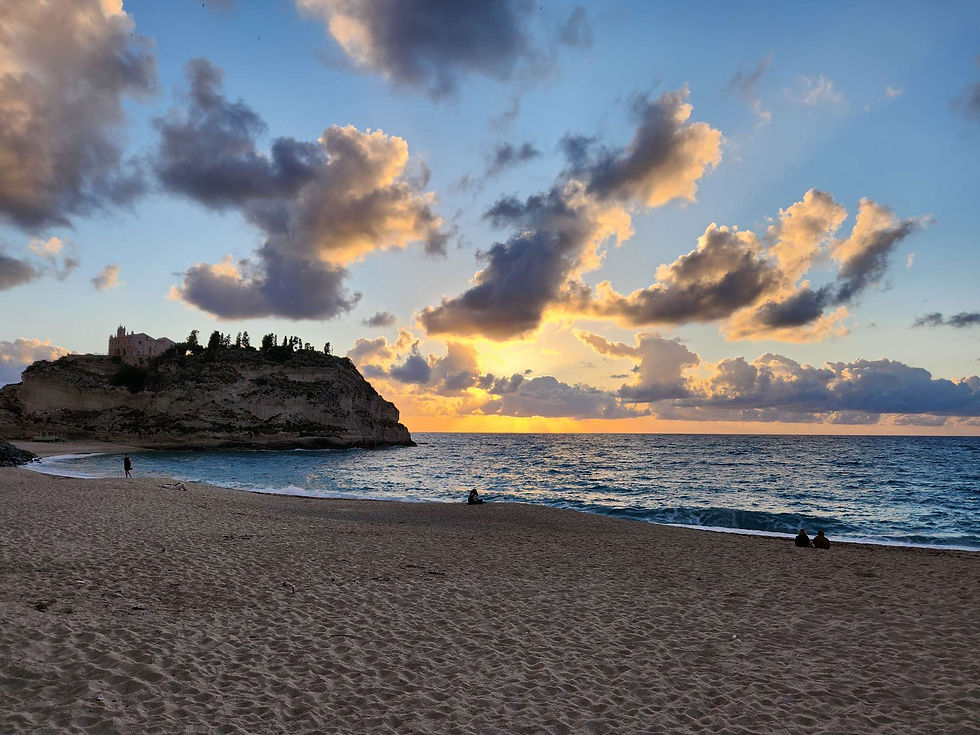
Wrapping up a busy day of photography and historical exploration, Tina and I return to the "Piazza del Cannone" to capture some stunning sunset photos.
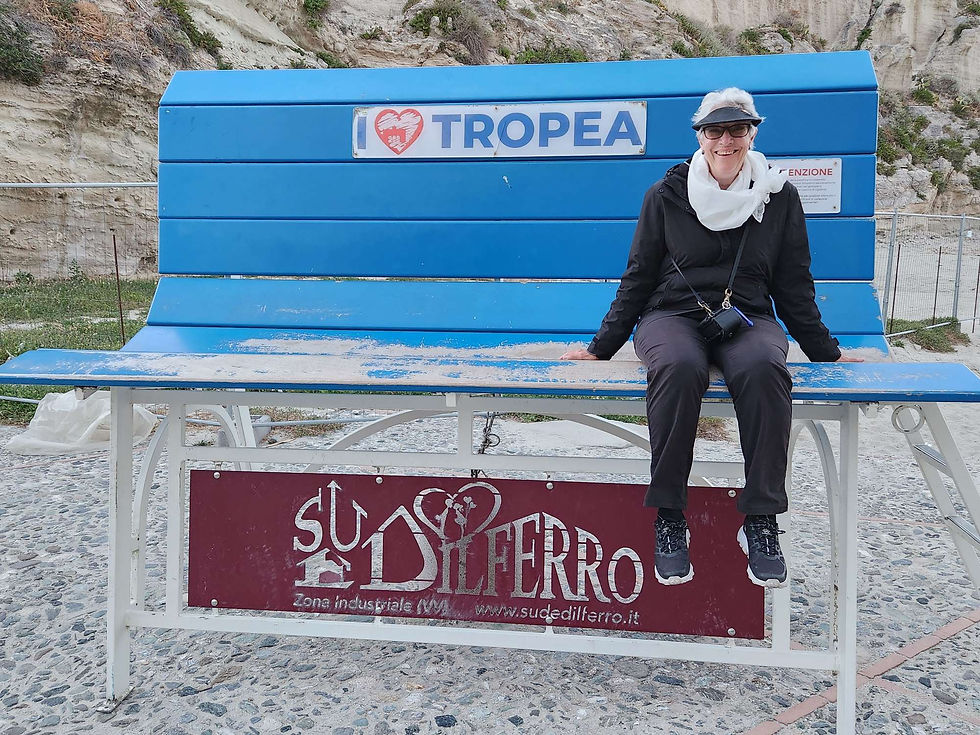
Along the way, we couldn't resist stopping for a fun selfie at the super-sized park bench.
We finished our third day on a high note, with just one more adventure left in our itinerary: a quick day trip to Scilla tomorrow.
On our fourth day we find ourselves venturing deeper into uncharted territories of Southern Italy.
We hopped on a comfortable Trenitalia train for a quick 1-hour ride down the coast to visit the legendary village of Scilla.

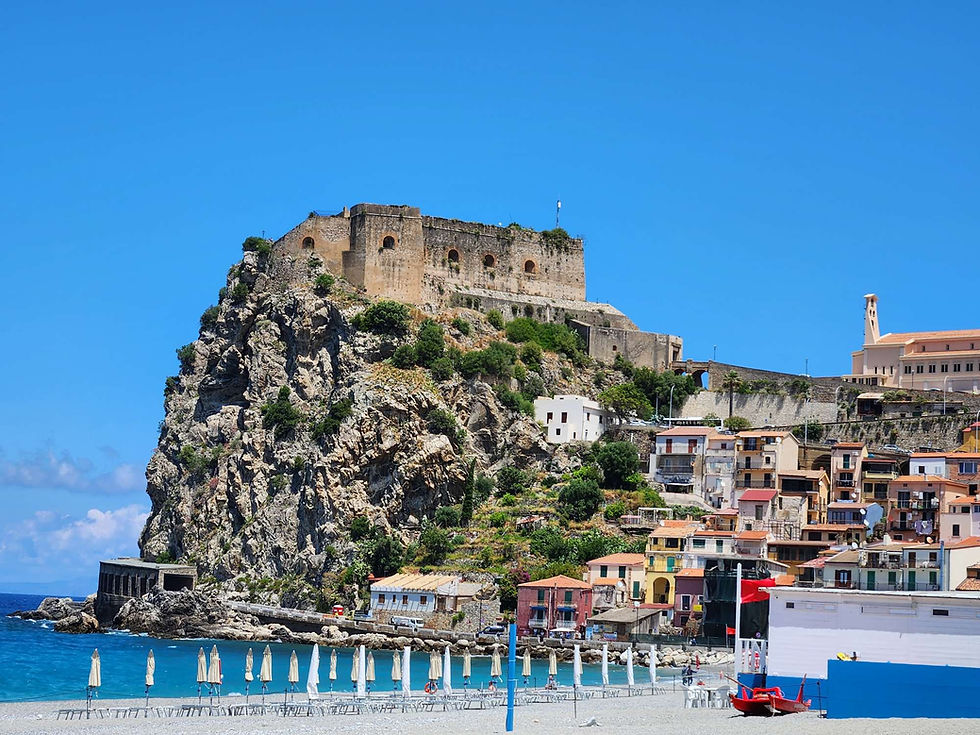
Scilla is renowned for being an idyllic seaside town, world-famous for its sweeping Marino Grande beach.

Often affectionately nicknamed "Little Venice", its defining feature is the imposing Ruffo Castle that watches over the water.
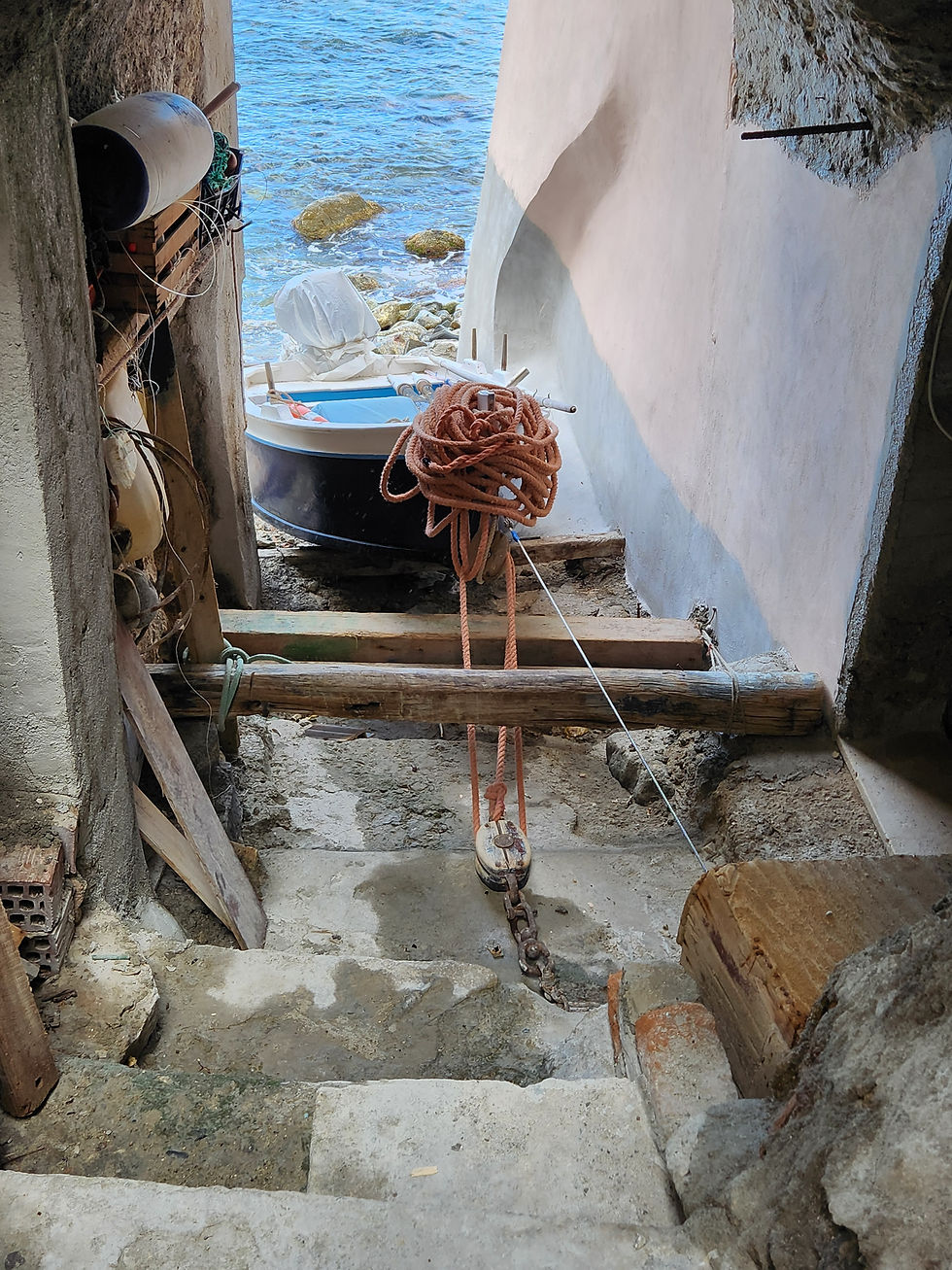
For photographers, it is an absolute dream, boasting picturesque canals tucked between fishermen’s homes, while local restaurants serve up mouthwatering swordfish specialties.
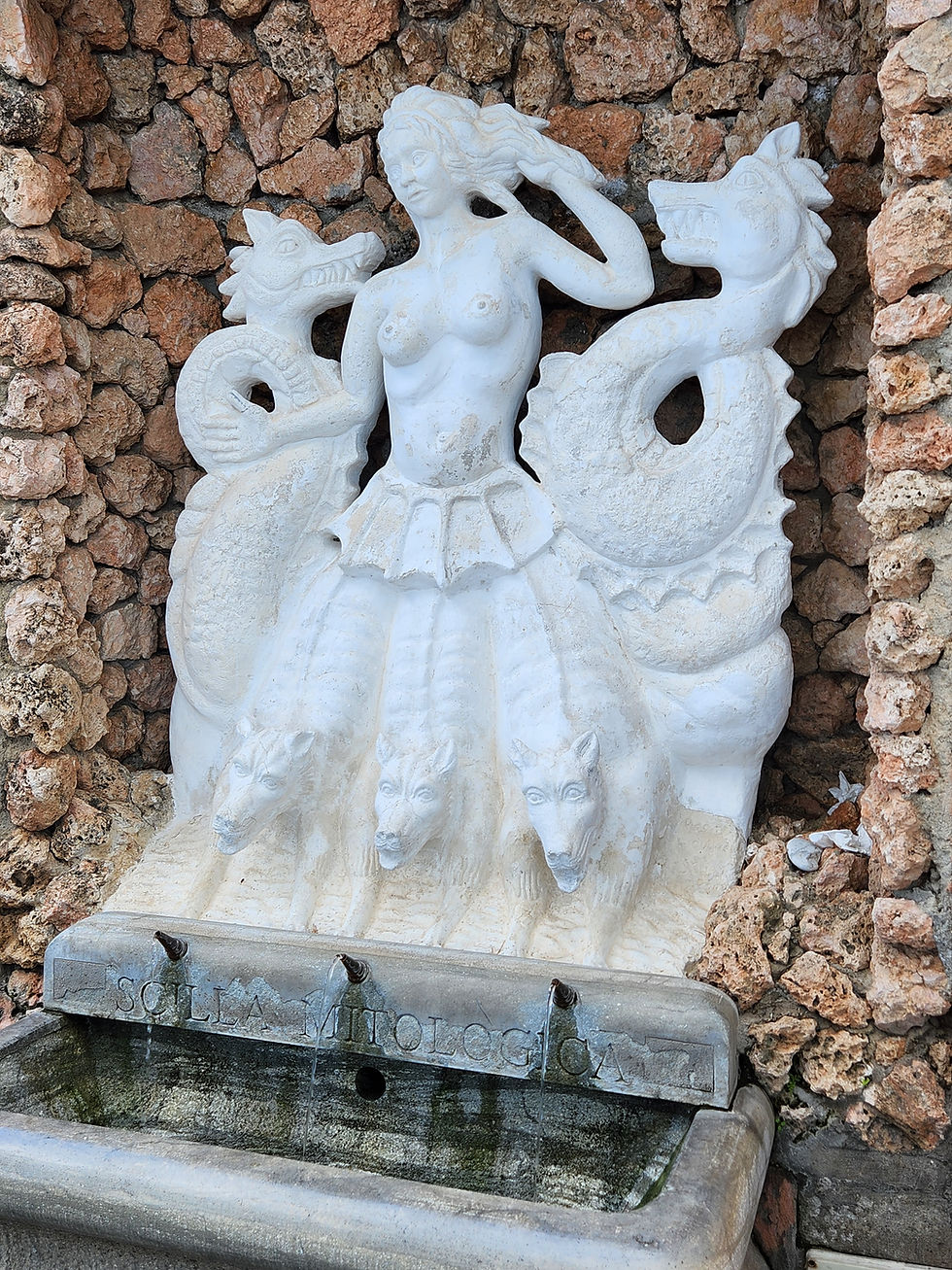
The roots of the village stretch deep into Greek mythology, echoing the terrifying sea monster Scylla, who tormented Odysseus in Homer's Odyssey.
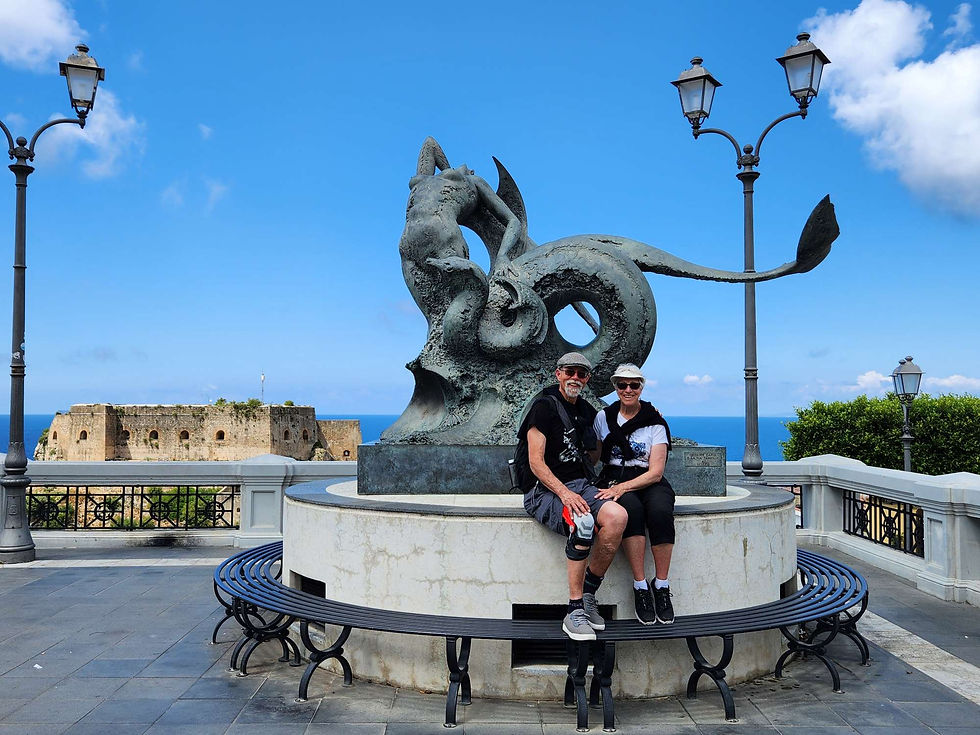
Originally built in the 5th century BC, the town was later fortified by the Romans. In 1060, it was captured by the Normans before being acquired by the aristocratic Ruffo family.

Camera in hand, we strolled through the enchanting, ancient fishing village of Chianalea, capturing the narrow streets that end directly in the sea.

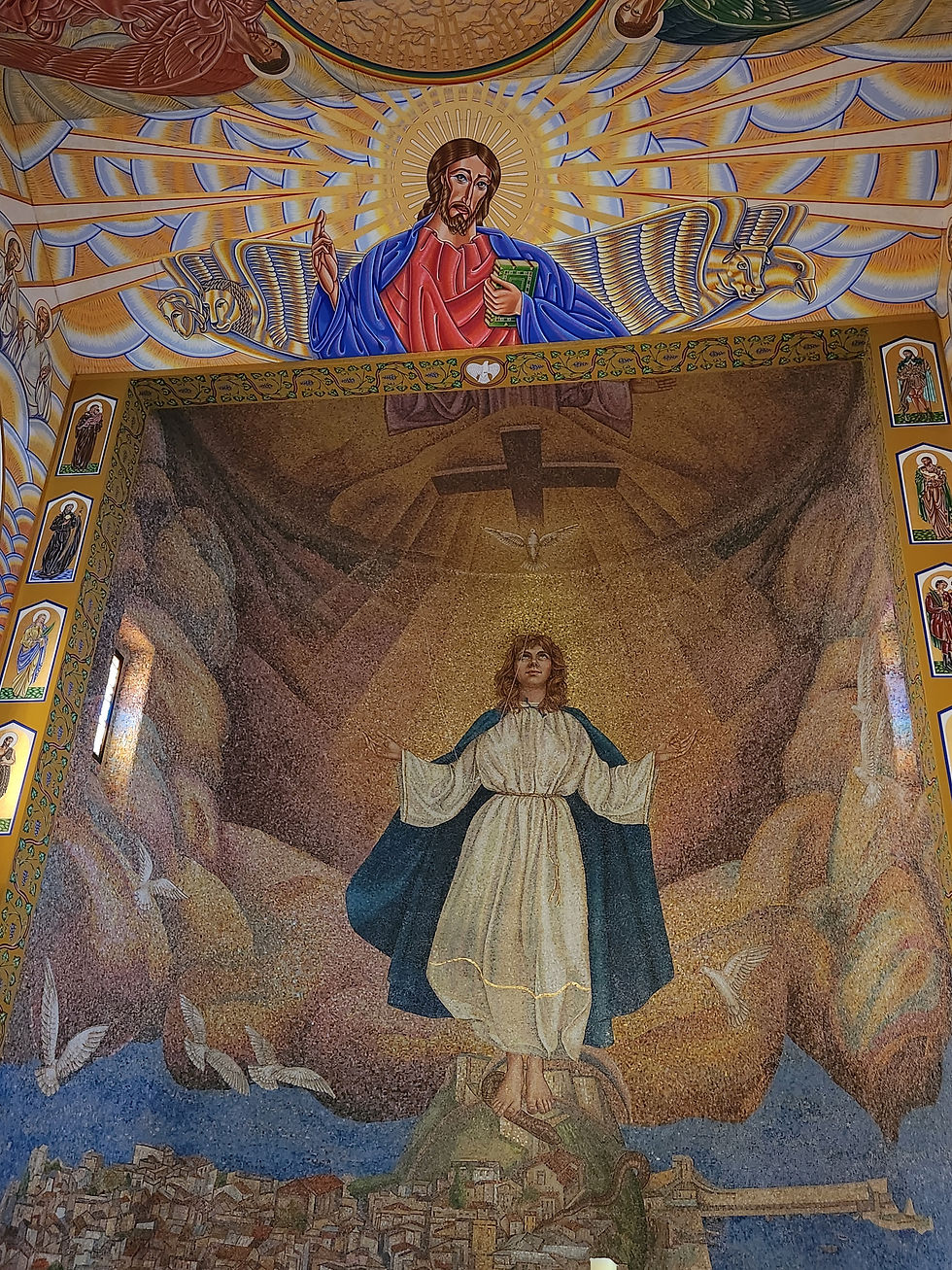
Other highlights included the stunning mosaic tiles of Chiesa Madre dell’ Immacolata, the hillside fort, the moored fishing boats, and various charming fountains and sculptures.
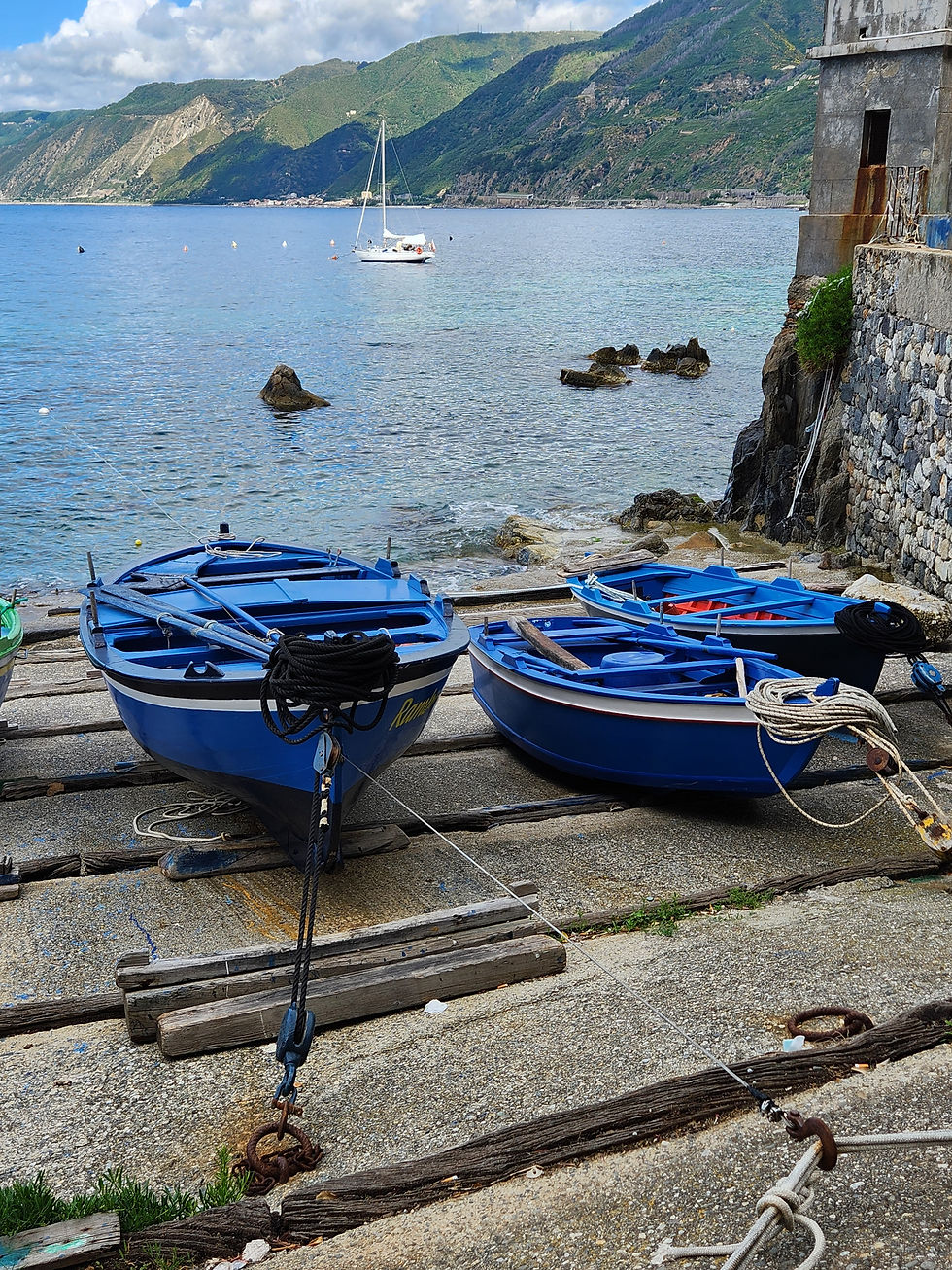
We truly enjoyed walking through this beautiful seaside village, photographing the quaint alleys, the Venetian-style canals of Chianalea, and beachcombing along the gorgeous pebbly shoreline. So this ends our four days in Tropea. Tomorrow we head off to another exciting village in Italy, our next Italian adventure.

Reflections on a May Getaway: Pros and Cons of a Tropea Home Base
To wrap up our 4-day itinerary using Tropea as a home base, I want to share a few key observations about traveling during the shoulder season.
The Climate
The weather was delightful throughout our stay—cool in the mornings and evenings, but comfortably warm during the day. It was perfect weather for walking through town, climbing hills, and exploring stairs. However, it is too cool for swimming. The Tyrrhenian Sea was quite choppy, meaning no boat rentals or water activities were available, leaving the beach mostly to sunbathers.
The Crowds
While Tropea is a popular destination and felt reasonably busy, I suspect crowds swell rapidly in June and become overwhelming in July and August. The nearby day-trip towns we visited were noticibly quieter than Tropea. Because May is just the start of the season, shop owners and restaurant staff were friendly, helpful, and patient. I imagine this changes as the peak season wears on and fatigue sets in.
Value and Considerations
Traveling in May offers the advantage of lower shoulder-season accommodation prices. However, you should be aware that some seasonal activities and tourist sites operate on reduced hours or remain closed.
The Verdict
In conclusion, older travelers and seniors will likely fall in love with the mild climate, manageable crowds, and welcoming atmosphere of May. Younger travelers seeking vibrant beach days, swimming, and water sports should wait until at least mid-June.


Comments