
Phase 2
Budget Driven, Schedule Smart
Planning a holiday is exciting, but it’s easy for costs to spiral if you don’t have a plan. The secret to a stress-free getaway isn't just saving money—it's knowing exactly where it’s going!
By breaking down your budget into specific, bite-sized categories, you can ensure that every aspect of your journey is covered without any nasty surprises. Based on standard travel expenditures, here is a recommended, balanced allocation to keep your finances in check:


-
Accommodation (25–40%): Often the largest portion of a travel budget.
-
Flights (20–30%)*: A significant upfront cost depending on the destination.
-
Food & Dining (10–25%): Covering all meals, local treats, and snacks.
-
Local Transportation (10–20%): Including car rentals, public transit, or ride-shares.
-
Activities & Sightseeing (10–15%): Budgeting for tours, museum entries, and experiences.
-
Contingency Fund (5–15%): A necessary buffer for unforeseen expenses.
-
Travel Insurance (5–15%): Essential protection for peace of mind.
*Based on a Premium Economy flight.
How to Travel More for Less: Insider Savings Tips
Beyond the major expenses of flights and lodging, smart travelers know to budget for hidden costs that can quickly add up, including international cell phone roaming charges, souvenir shopping, airport transfers, gratuities, foreign transaction fees, and necessary inoculations. If you are traveling on limited or retirement funds, take it from us—you can still explore the world by adopting a few cost-saving measures. Primarily, travel off-season, such as visiting Europe in May instead of July, to secure prices that can be up to 40% lower. Additionally, implement strict budgeting hacks by flying with only carry-on luggage to avoid baggage fees, and opt for a mix of dining out and cooking your own meals to slash daily expenses.


AirBnB or Hotels?
Pros, Cons, and Cost Comparison
For a one-week stay, Airbnbs are often more cost-effective because weekly discounts can reduce nightly rates by over 30%, while the flat-rate cleaning fees are diluted over several days. Conversely, hotels are generally cheaper for 1–2 night stays because they lack high cleaning fees, offering better value for short trips. While Airbnbs provide advantages like more space, kitchens, and laundry facilities, they can become more expensive than hotels in high-demand, urban areas once service fees and high cleaning costs are added, making it essential to compare the total price, not just the nightly rate.
Hotels provide superior security, daily housekeeping, and no surprise extra fees. Ultimately, the best price depends on whether you utilize an Airbnb's kitchen to save on food or prioritize the convenience and perks of a hotel.
View vrs Budget
Regional and Seasonal Factors
Hotel costs in Europe vary significantly by region and season, with daily averages typically ranging from €20–€80 for budget (hostels/budget hotels), €100–€200 for mid-range (3-4 star hotels), and €300+ for high-end/luxury properties. Costs are generally lower in Eastern Europe and higher in major Western cities like London, Paris, or Zurich.
Location: Eastern Europe (e.g., Krakow, Budapest) is significantly cheaper than Western/Northern Europe (e.g., Switzerland, Scandinavia, Paris, London).
Season: Peak season (June–August) can double or triple rates compared to the shoulder (April-May/Sept-Oct) or off-season (Nov-March).
Booking Timing: Booking several months in advance often secures lower prices, particularly for budget and mid-range options.


Understanding flight options:
Navigating flight classes involves balancing cost and comfort, starting with standard Economy (16–19" wide, 30–34" pitch) for budget-conscious travelers.
For a modest upgrade, Premium Economy costs 30–100% more than Economy but offers significantly more legroom, better meals, and slightly wider seats.
Moving up, Business Class generally runs 2x–3x the price of Premium Economy, providing premium service, lounge access, and lie-flat beds crucial for long-haul comfort.
Finally, First Class represents the pinnacle of luxury, often costing 2x–5x more than Business Class, featuring private suites and superior service.
Eat Well, Budget Better
Weekly Food Costs
€200 to €500 per week, depending on your style. A budget of €30–€40 per day covers quick meals, while €70–€100+ daily is required for sit-down restaurants and wine. Eastern Europe and Portugal are cheaper than destinations like Switzerland, Norway, or major cities like Paris and Rome.
Daily Food Budget for Europe:
-
Budget (€20–€40/day): Focuses on supermarkets, bakeries, and street food (kebabs, pizza slices, sandwiches).
-
Mid-range (€50–€70/day): Includes coffee/pastry for breakfast, a casual lunch, and a decent sit-down dinner with a drink.
-
High-end (€100+/day): Involves fine dining and, in some cases, multiple alcoholic drinks

Local Transportation
If you haven’t guessed yet, let me spell it out: I am a big fan of train travel.
Europe is absolutely amazing, well-connected by rail, and when you weigh it against the total cost of renting a car—including insurance, gas, and parking—taking the train is by far the most economical choice.
While a standard 100 km train journey in Europe generally costs only between €10 and €30, renting a car for the same distance often reaches €40–€80 per day, especially when accounting for required insurance (€15–€30) and fuel (€15–€20), not to mention the high cost of urban parking.
While peak-time or high-speed routes in countries like the UK, France, or Switzerland can exceed €50+, booking in advance or utilizing regional passes offers incredible savings compared to the hidden fees of car rentals.
For a stress-free experience that keeps your budget in check, I almost always choose to sit back, enjoy the scenic views, and let the European rail system take me from city center to city center.


Uber or Taxi: Who Owns the Streets?
A 10 km (approx. 6.2 miles) ride in Europe typically costs between €15–€30 for an UberX, while a taxi often ranges from €20–€40, depending on the city, traffic, and time of day. While Uber is usually cheaper for short, off-peak trips, taxis can be more economical during high demand (surge pricing) or when utilizing fixed-rate airport fares.
Uber Estimate: Often upfront, ranging roughly from €7–€35 depending heavily on surge demand, commonly around €18–€25 for a standard city trip.
Taxi Estimate: Typically calculated via a meter (flag drop + per km rate) or fixed price, often costing slightly more, generally between €15–€40.
Factors Influencing Price:
Time/Demand: Uber's surge pricing can make it significantly more expensive during peak hours or poor weather.
City Specifics: In cities with highly regulated taxi markets (e.g., London, Paris), cabs might be more competitive, while in others, Uber offers better value. For longer, predictable trips, traditional taxis sometimes offer fixed, cheaper rates.
Tap to Pay, Ride Away
Many European cities have adopted contactless "tap-on/tap-off" (or tap-on only) systems for public transport. This enables passengers to use credit cards, debit cards, Wise cards, or mobile wallets (Apple/Google Pay) directly at gates or on validators, frequently applying automatic best-fare capping, such as daily or weekly maximums.
Paris Metro vs. Bus: A Metro-train-RER ticket is €2.50, whereas a bus-tram ticket is €2.00. Average City Cost: Based on a 31-city study, average single metro tickets are €2.60, while average bus tickets are €2.40.
Most Expensive Systems: Munich, Germany, features the highest prices, with both metro and bus tickets averaging around €4.10. Stockholm and Hamburg are also costly at around €3.90.
Integrated Tickets: Many cities, such as Rome, offer a single, unified ticket valid for 100 minutes on all methods of transport, including both metro and bus, for roughly €1.50–€2.00

Let’s wrap up the budget section with a quick discussion about travel insurance.
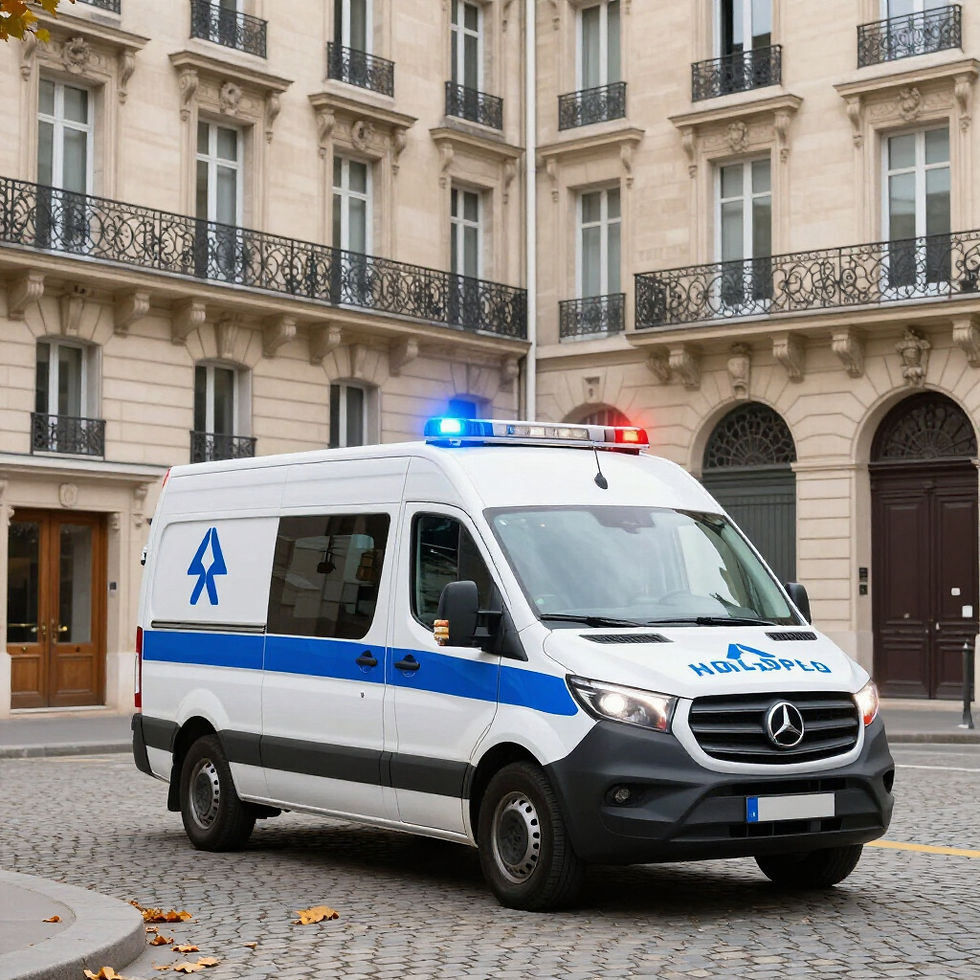
To select the best travel insurance, whether you are in your twenties or a senior traveling to Europe, prioritize policies offering at least $2 million in emergency medical coverage to complement your country’s plans, ensuring pre-existing conditions are covered, particularly if they have been stable for a set period. Frequent travelers should compare annual plans against single-trip options, while ensuring the policy includes COVID-19 coverage and specialized senior needs. Costs generally range from $75 to over $250 CAD for a one-week European trip, heavily influenced by age (particularly over 60–65) and health status, which may necessitate a medical questionnaire.
Comprehensive coverage—which covers both medical emergencies and trip cancellations—typically costs 5-10% of the total trip cost. To secure the best rate, seniors should compare multiple providers and check for stability requirements, as pre-existing conditions can increase premiums by over 50%. While comprehensive plans provide broader protection, emergency-only medical insurance is often cheaper for short trips, provided it meets the necessary financial coverage limits.